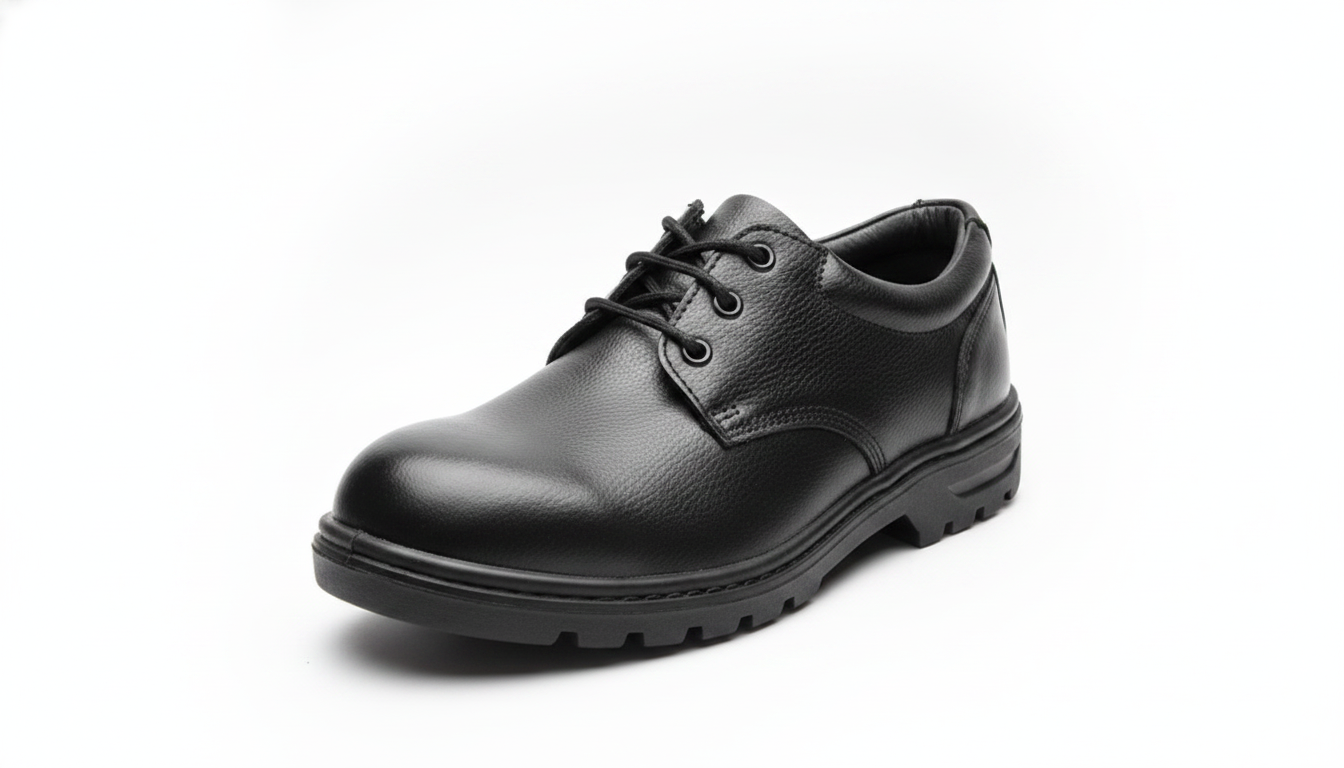
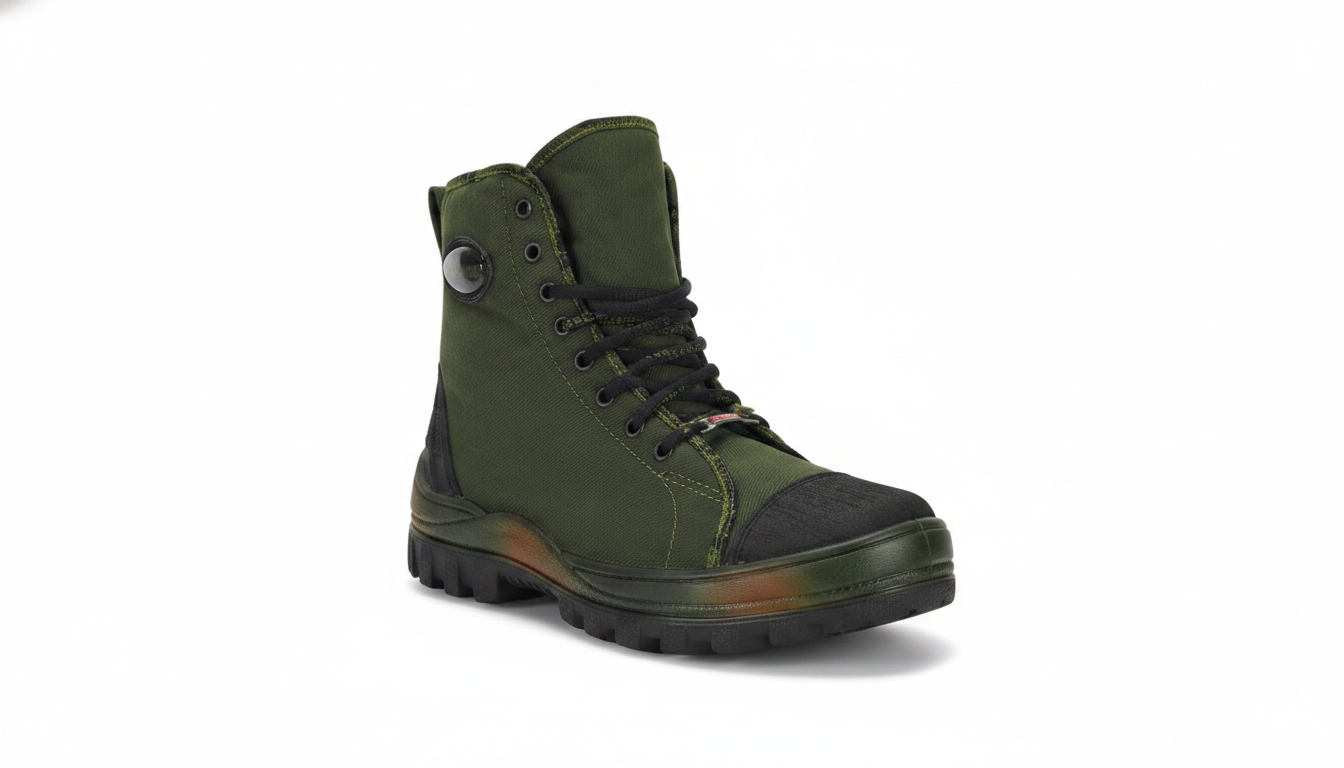
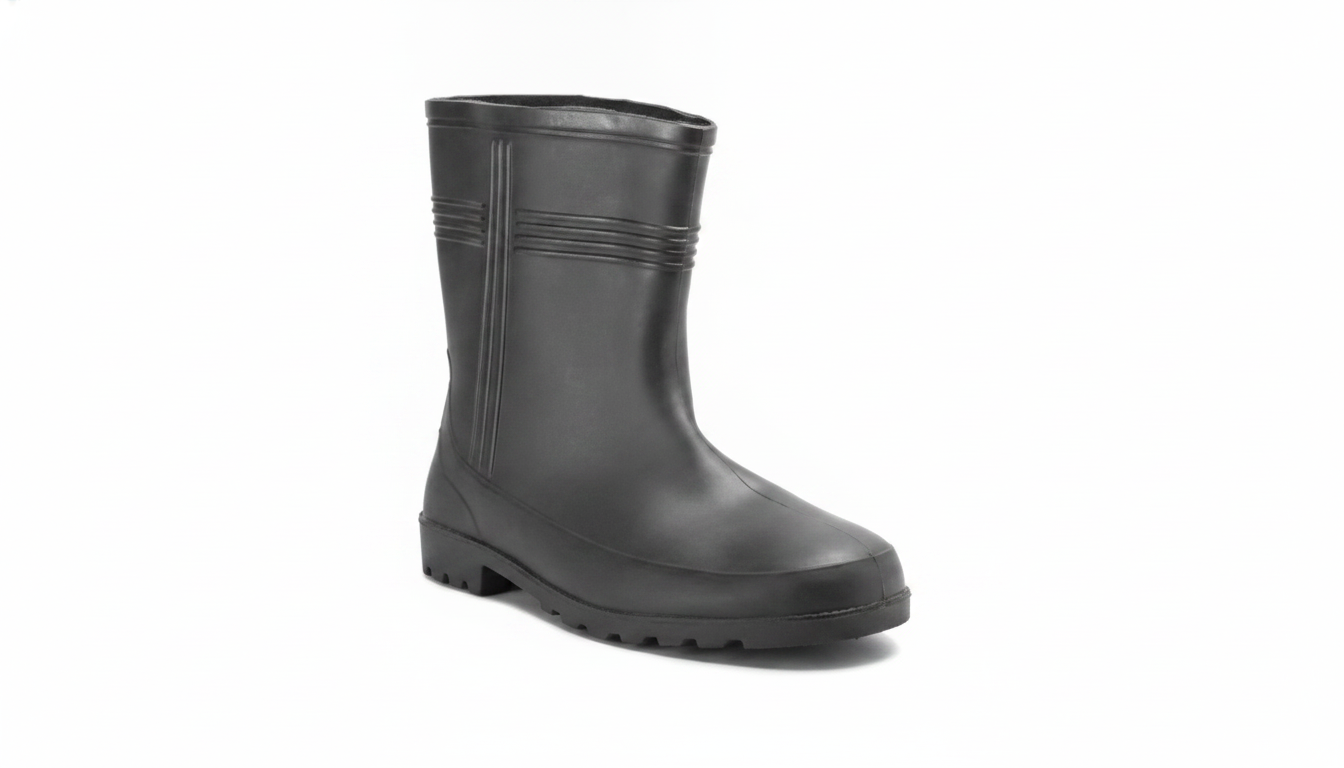
ESD and EH sound similar and are constantly confused — but they do opposite jobs. Get it wrong and you either fry sensitive electronics or expose a worker to shock. Here's how ESD / anti-static safety shoes work and where they're required.
What ESD shoes actually do
ESD (electrostatic discharge) footwear drains static charge from the body safely to the floor through a controlled, low electrical resistance. This protects static-sensitive electronic components and prevents sparks in flammable environments — the charge bleeds away instead of building up and zapping.
ESD vs anti-static vs EH — don't mix them up
| Type | Job | Resistance |
|---|---|---|
| ESD / anti-static | Drains static to ground | Low, controlled |
| EH (electrical hazard) | Insulates against live current | High |
| Conductive | Fastest static drain (special use) | Very low |
If your worker faces live electrical circuits, you want EH electrician shoes — not ESD. If your risk is static damaging components or igniting vapour, you want ESD.
Where ESD is required
Electronics and semiconductor lines, pharma and cleanrooms, flammable/explosive atmospheres (paint, solvents, fuel), and precision assembly.
Buy ESD safety shoes wholesale
DBFootwear manufactures ESD/anti-static safety shoes as an ISO 9001:2015 certified maker in Agra, supplying electronics, pharma and cleanroom operations factory-direct with documentation. Confirm your resistance requirement and quantity via the wholesale enquiry or manufacturing page.