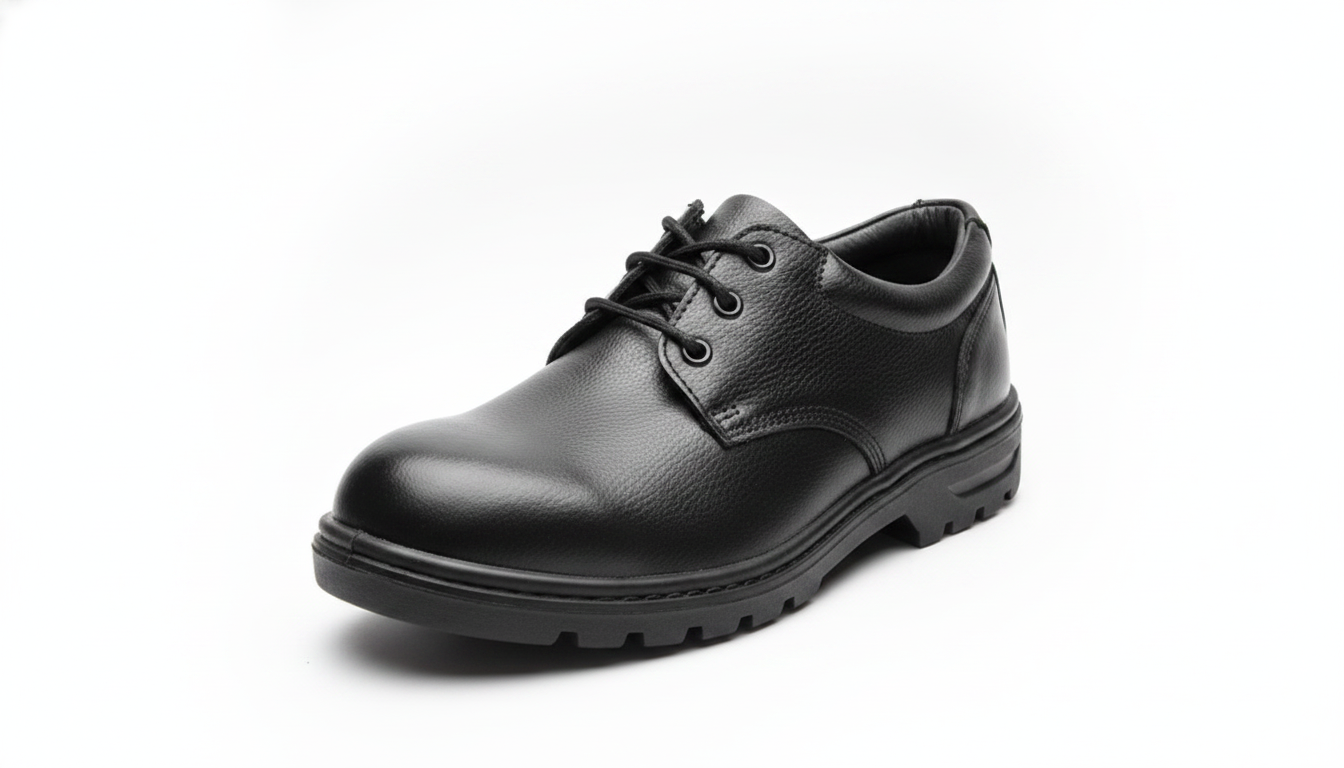
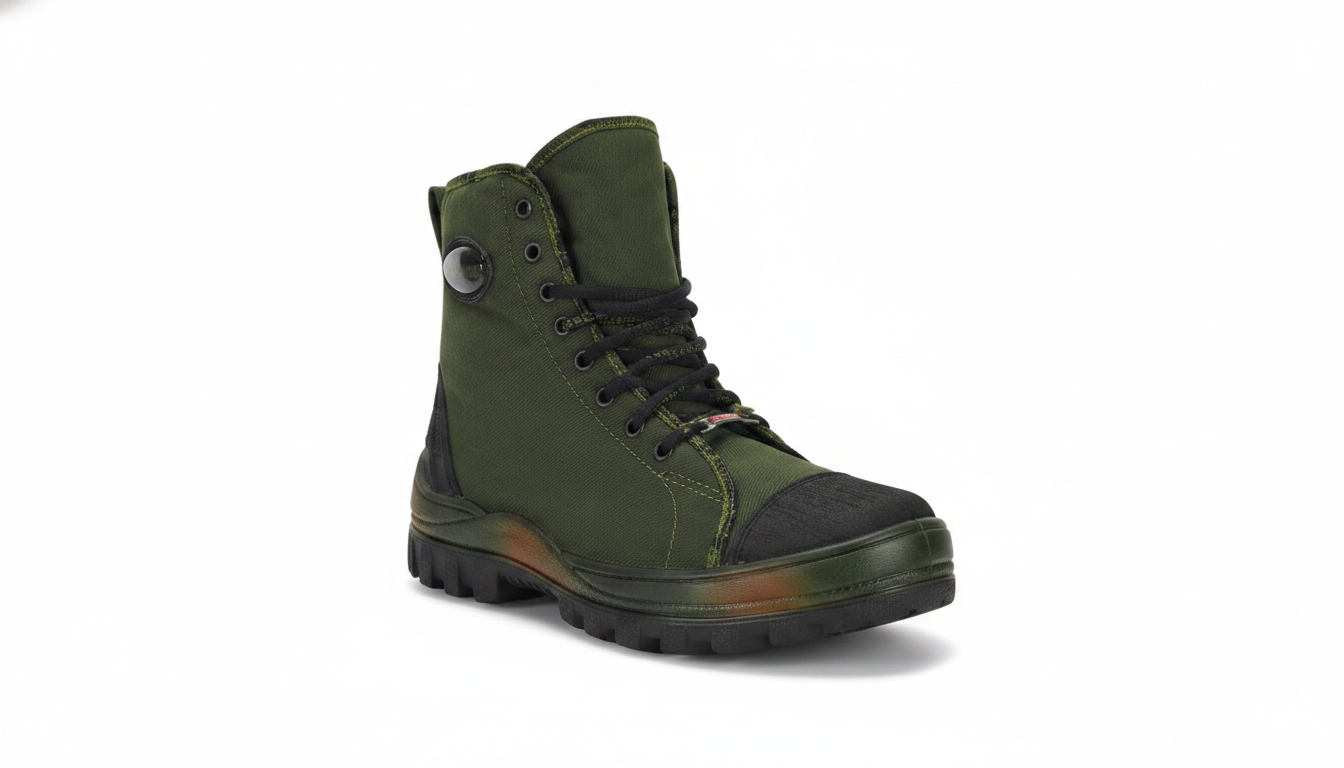
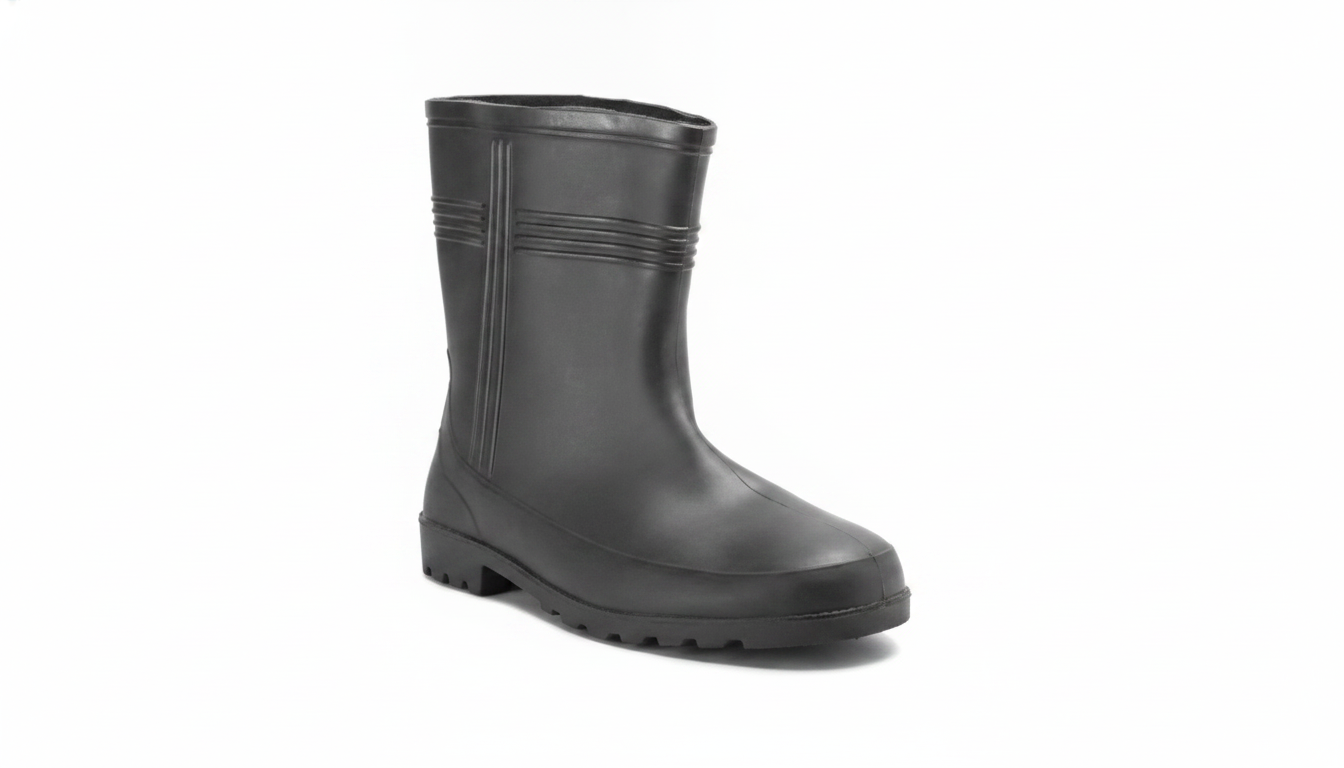
Electricians face a hazard most workers don't: electric current. That single fact changes the safety-shoe rules — the metal parts that make an ordinary safety shoe protective can become a liability around live circuits. Here's what to specify and why.
The golden rule: go non-metallic
For electrical work, choose a composite (non-metallic) toe cap, not steel. Metal conducts; composite doesn't. Pair it with an electrical-hazard (EH) rated, insulating sole designed to resist current. Together they reduce the risk of the shoe completing a circuit through your body. Compare toe caps in our steel vs composite guide.
What "EH" actually protects against
EH-rated footwear is a secondary layer of protection: in dry conditions it helps resist electric shock from incidental contact with live parts. It is not a substitute for de-energising circuits, lockout/tagout, or insulating gloves and mats — it's the last line of defence when everything else has been done.
Specification checklist for electricians
- Composite toe — non-conductive impact protection.
- EH / electrical-hazard sole — insulating outsole and heel.
- No exposed metal — non-metallic eyelets and shank.
- Slip resistance (SRC) — for wet or oily floors.
- Comfort — lightweight PU/dual-density sole for all-day wear.
Match the overall grade to your environment using the safety shoe standards guide, and the sole to the surface using the sole materials comparison.
Who buys electrical safety shoes
Electrical contractors, power utilities and DISCOMs, solar and EPC firms, maintenance teams, and PSU procurement — usually in bulk, with documentation.
Buy electrical safety shoes wholesale
DBFootwear is an ISO 9001:2015 certified safety shoe manufacturer supplying composite-toe, EH-type electrical safety shoes factory-direct to contractors, utilities and distributors across India. Share your quantity and size run for wholesale rates — or see manufacturing options for private-label and tender supply.