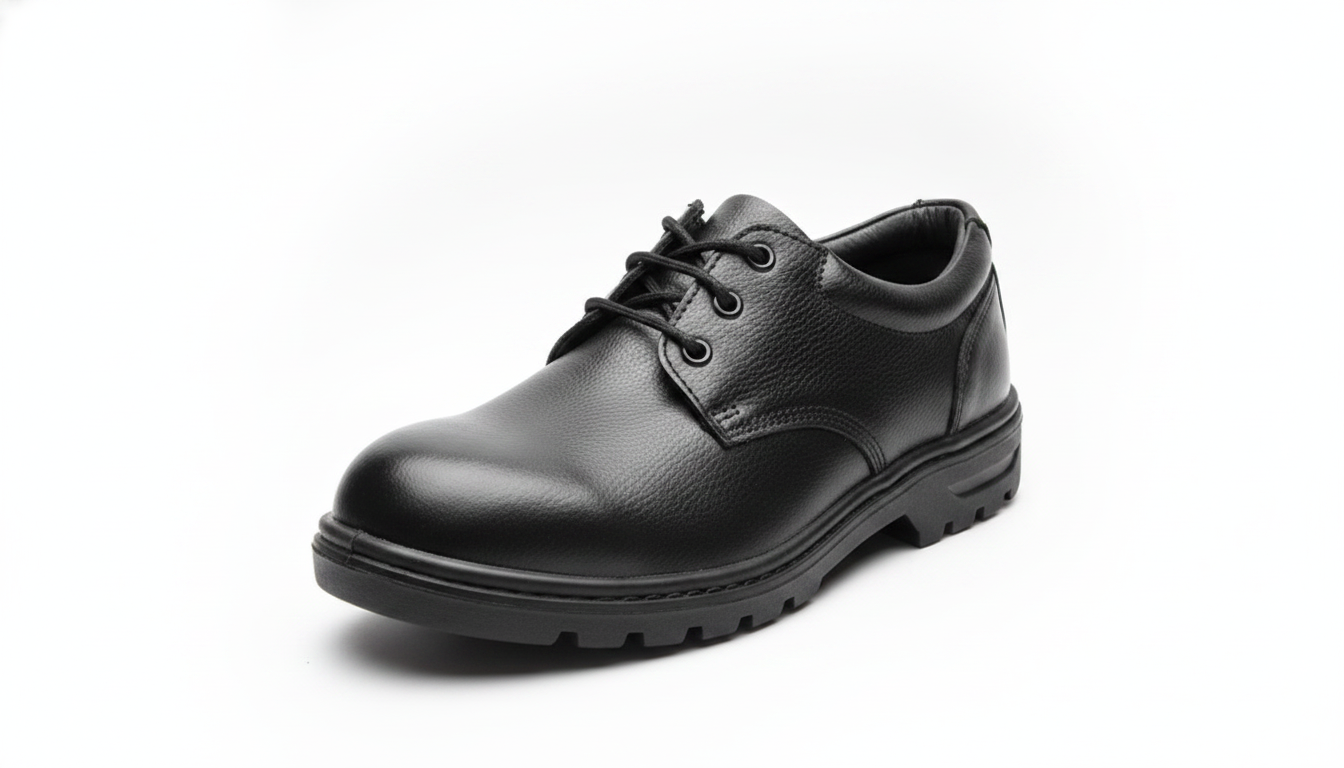
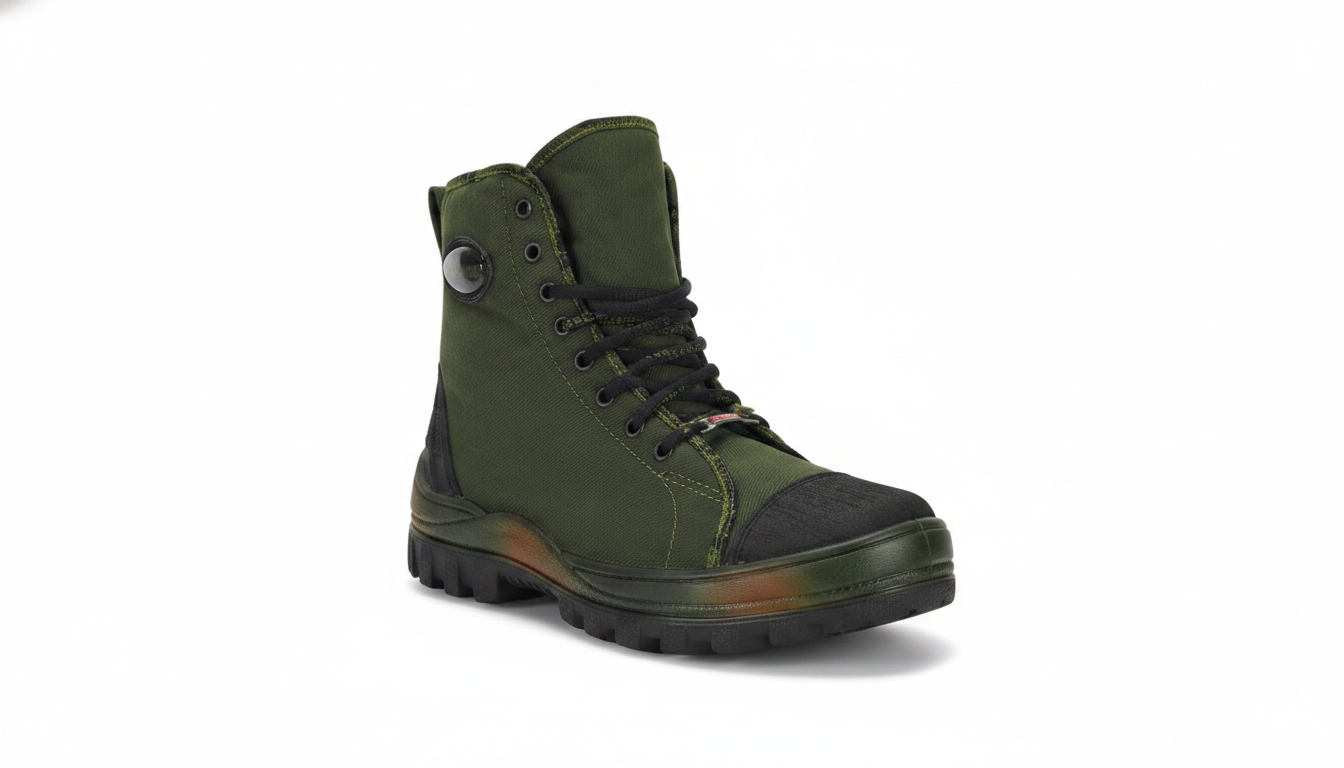
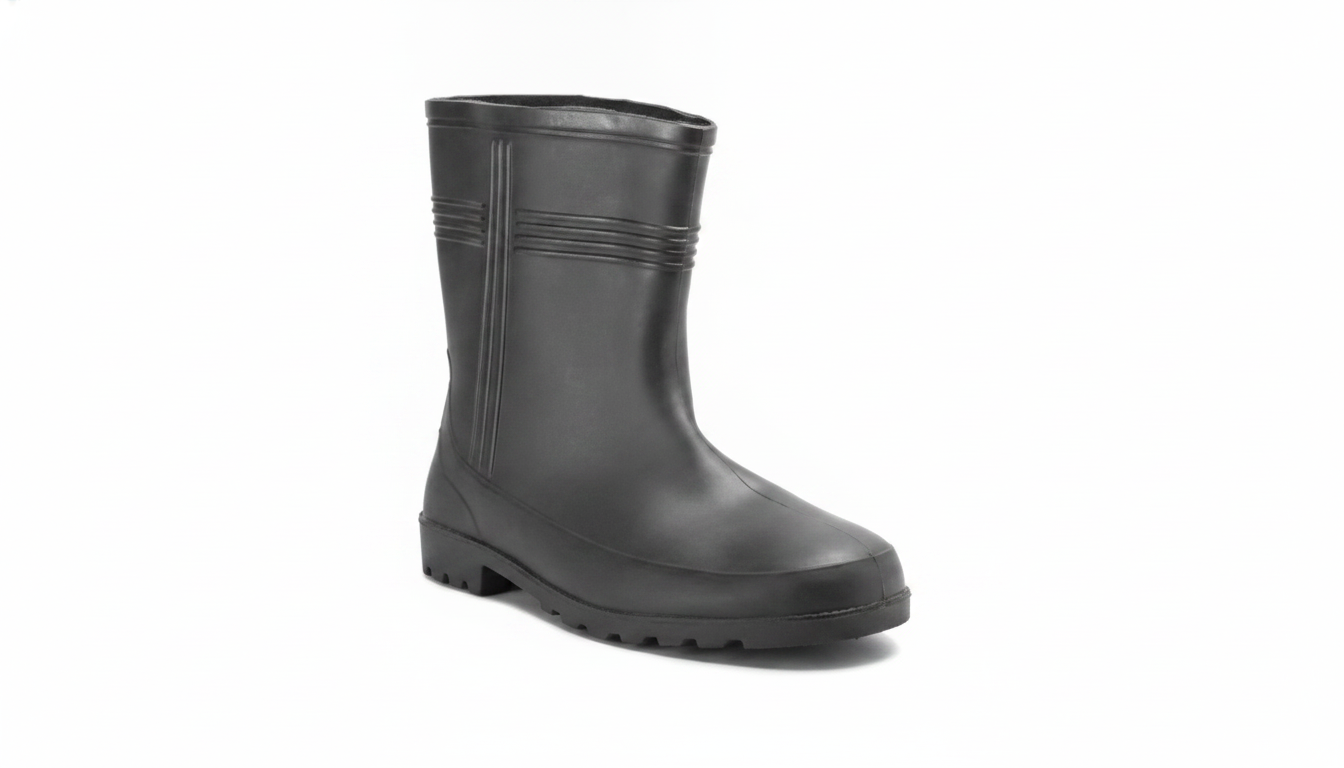
The heaviest safety shoe isn't the safest — it's just the most tiring. Modern lightweight safety shoes deliver the same certified protection as traditional steel-toe boots while cutting the weight that wears workers down by the end of a shift. Here's how they do it, and what to look for.
Where the weight comes off
Three swaps make a safety shoe lighter without dropping its rating:
- Composite toe instead of steel — non-metallic, and typically 150–200 g lighter per pair while meeting the same protection grade. See steel vs composite.
- PU or dual-density sole instead of heavy rubber — lighter and cushioned. Compare in the sole materials guide.
- Mesh or lightweight synthetic upper instead of thick leather.
Same protection, less fatigue
"Lightweight" is about weight and comfort — not reduced safety. A composite-toe lightweight shoe still certifies to S1P or S3 exactly like a steel-toe model; check what each grade means in the standards guide. The payoff is real: less weight on the foot over a 10-hour shift means less leg fatigue and better all-day comfort.
Who benefits most
| Use case | Why lightweight wins |
|---|---|
| Long shifts (12 hr) | Less cumulative fatigue |
| Warehousing & logistics | Lots of walking |
| Electronics & assembly | Comfort + non-metallic |
| Women's & sporty fits | Sneaker-style designs |
Buy lightweight safety shoes wholesale
DBFootwear manufactures sneaker-style, composite-toe lightweight safety shoes as an ISO 9001:2015 certified safety shoe manufacturer in Agra. We supply factory-direct to industries, distributors and procurement teams with mixed size runs and GST invoicing. Send your quantity for wholesale rates, or explore private-label manufacturing.