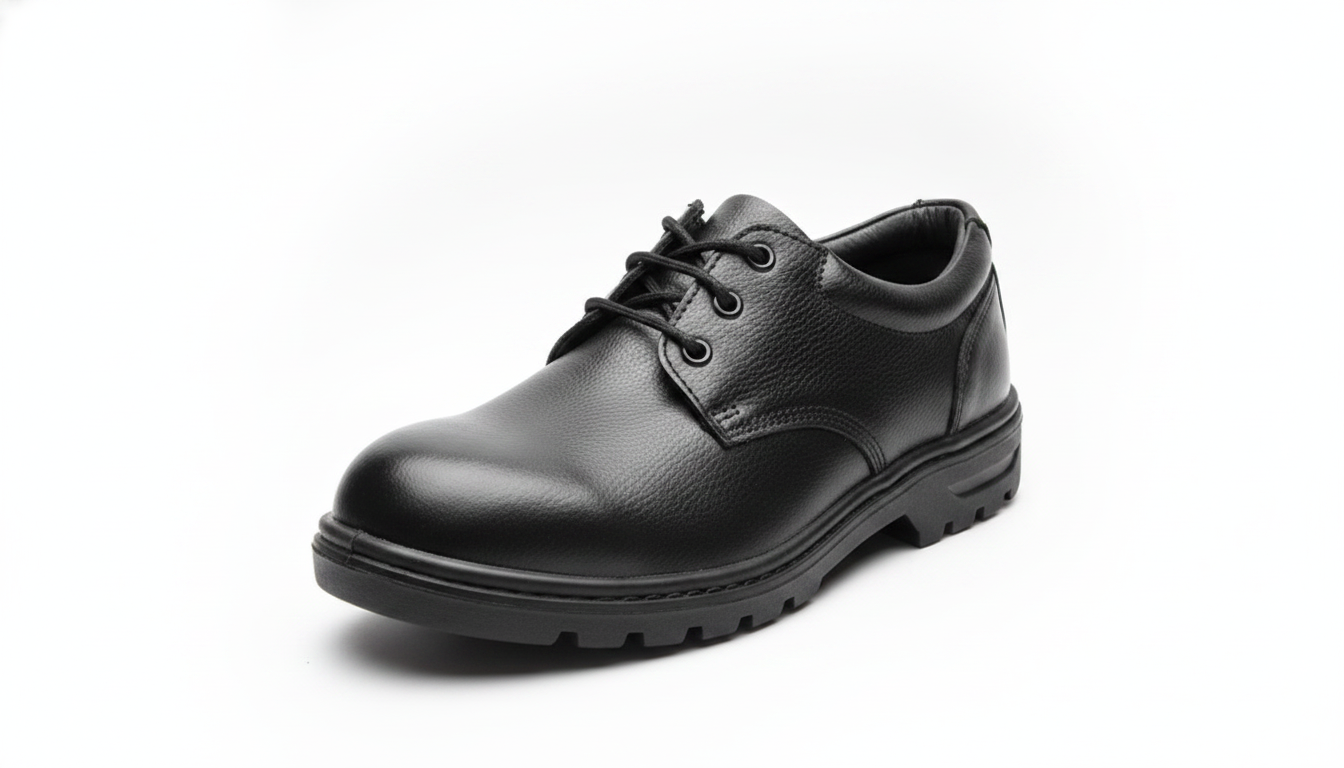
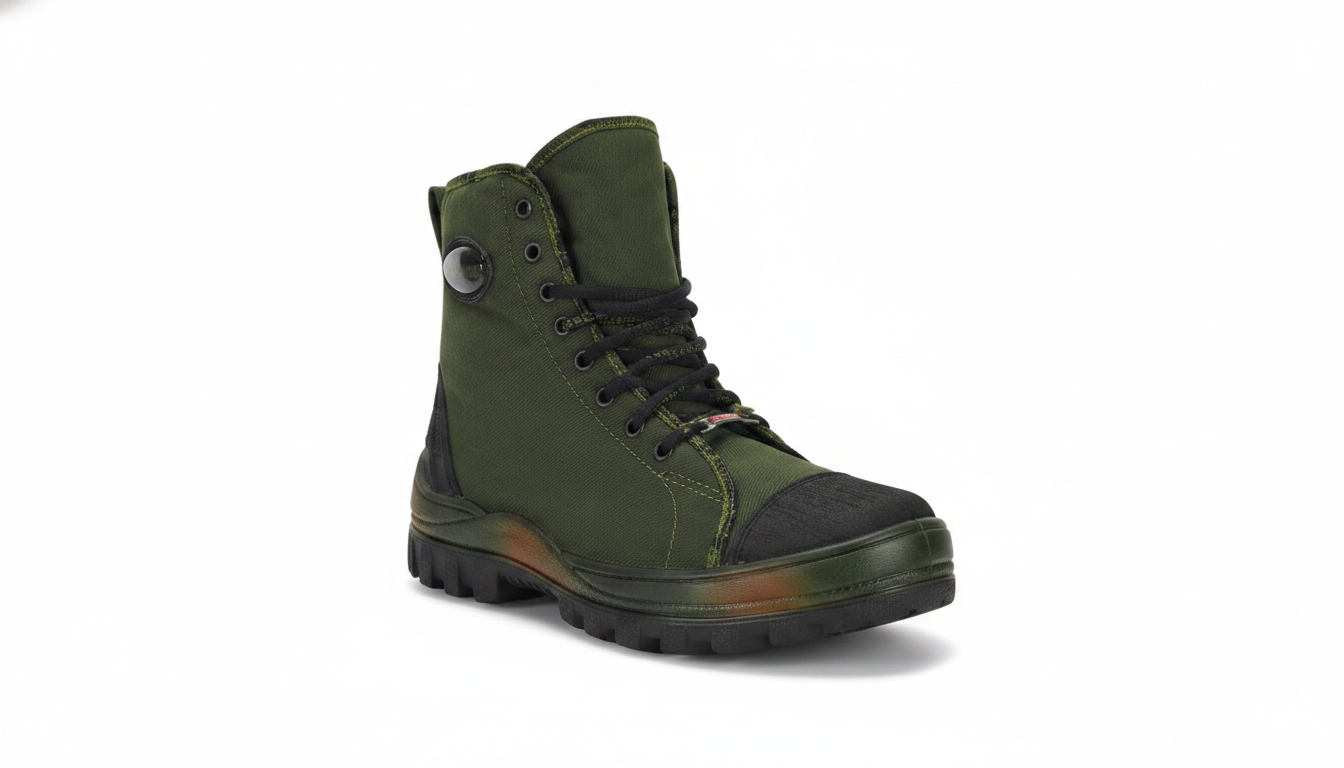
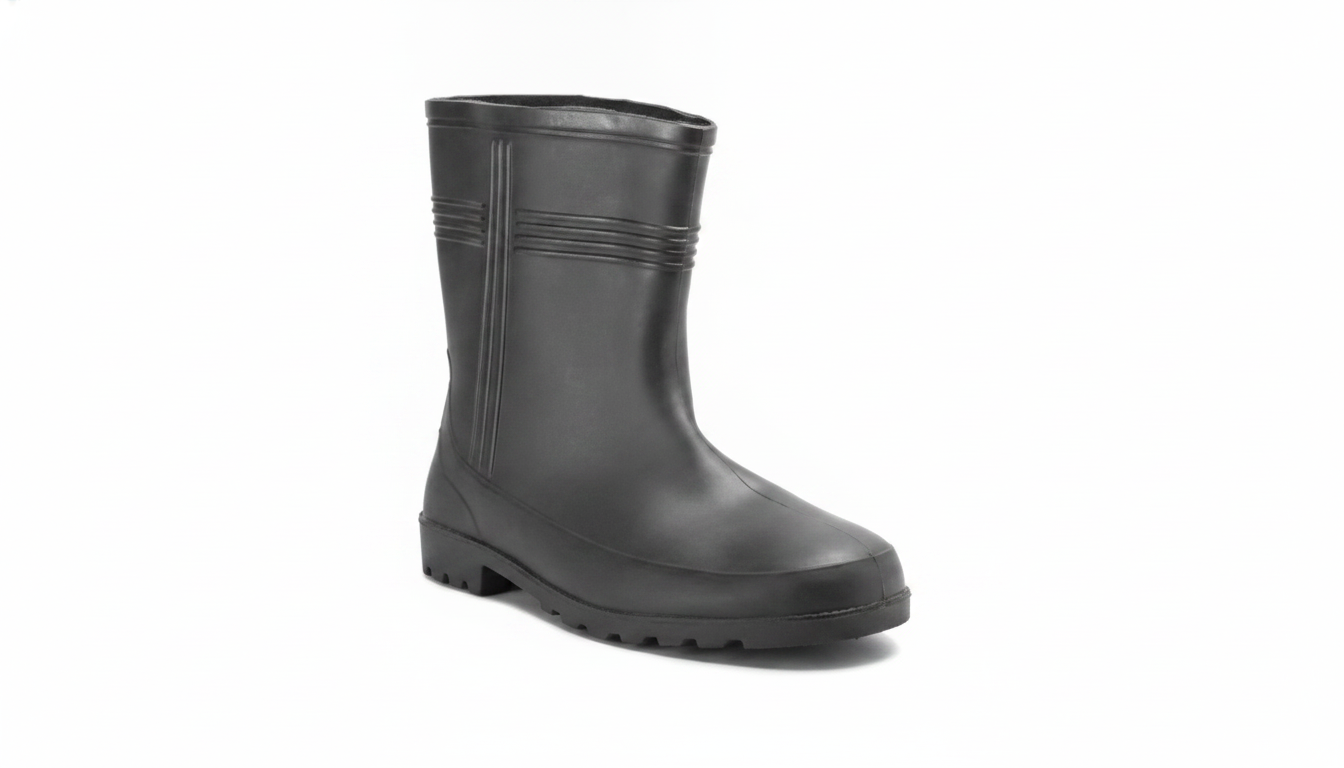
Nurses and ward staff spend 10–12 hours on their feet on hard, frequently wet floors. The right hospital shoes protect against slips, cut fatigue and stay hygienic — without the price of imported brands. Here's what to look for and how to buy for a team. (For our full range, see the hospital & nursing shoes page.)
The three things that matter
- Slip resistance (SRC) — hospital floors are often wet or just-cleaned; grip prevents falls.
- All-day comfort — cushioned, lightweight construction to reduce leg and back fatigue over a long shift. See lightweight shoes.
- Easy-clean, fluid-resistant upper — hygienic and wipeable for a clinical setting.
Fit and sizing
A correct fit prevents the heel-slip and rubbing that plague long shifts. Most healthcare staff take UK 3–9; measure with our size chart and, if between sizes, go up half a size. Women's-specific fits are covered in our women's safety shoes guide.
Where they're used
| Setting | Priority |
|---|---|
| Wards & ICU | Slip resistance + comfort |
| Labs & pharma | Fluid-resistant, closed upper |
| Housekeeping & support | Durability + grip |
| Bed/equipment handling | Light composite toe |
Buy hospital & nurse shoes wholesale
DBFootwear manufactures comfortable, slip-resistant healthcare footwear as an ISO 9001:2015 certified manufacturer in Agra, supplying hospitals, nursing homes and facility-management companies factory-direct with mixed size runs. Share your quantity via the wholesale enquiry.