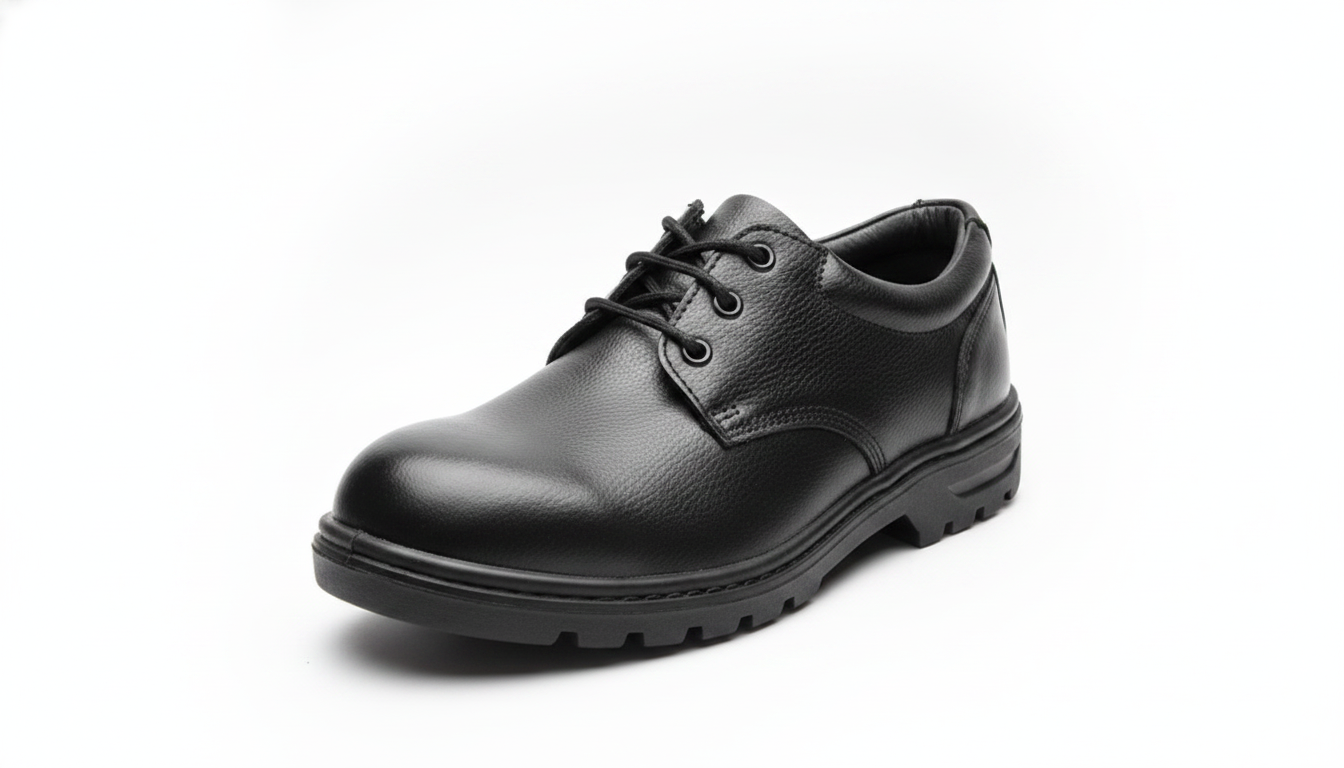
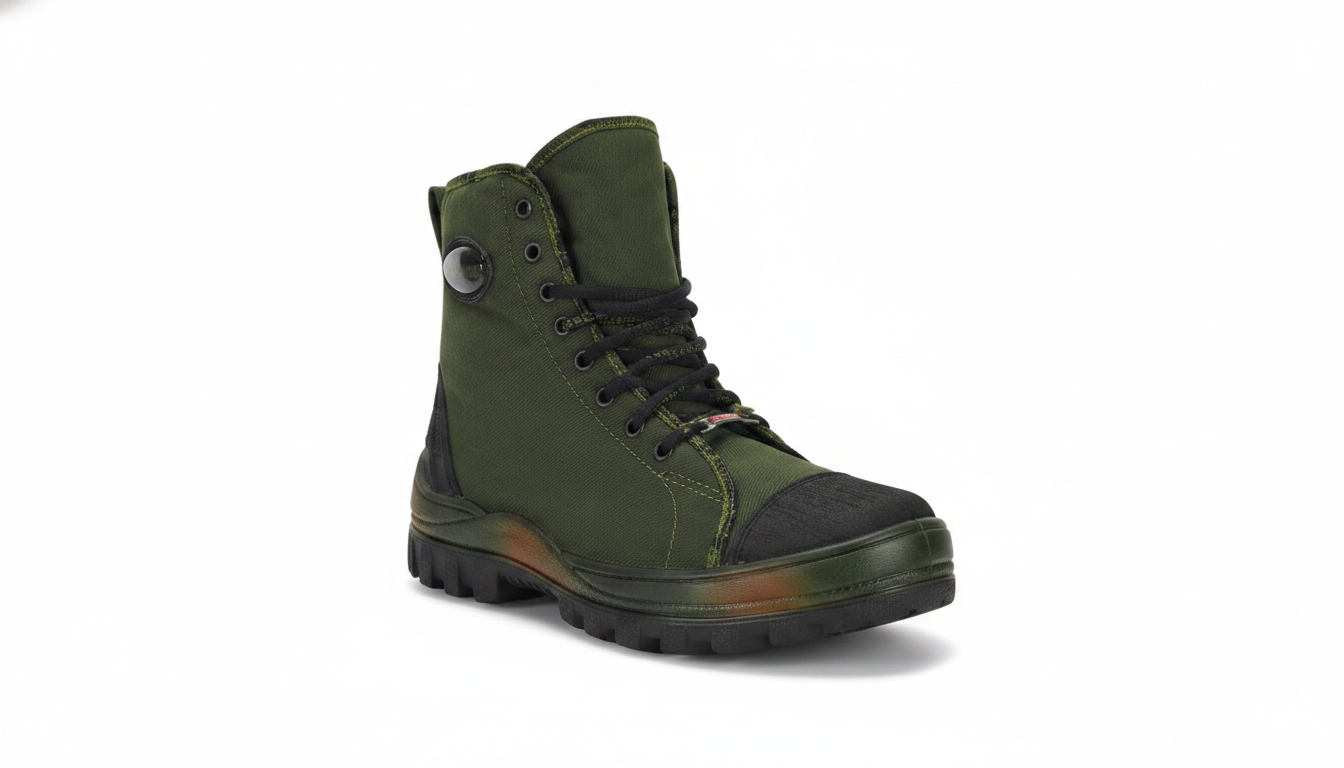
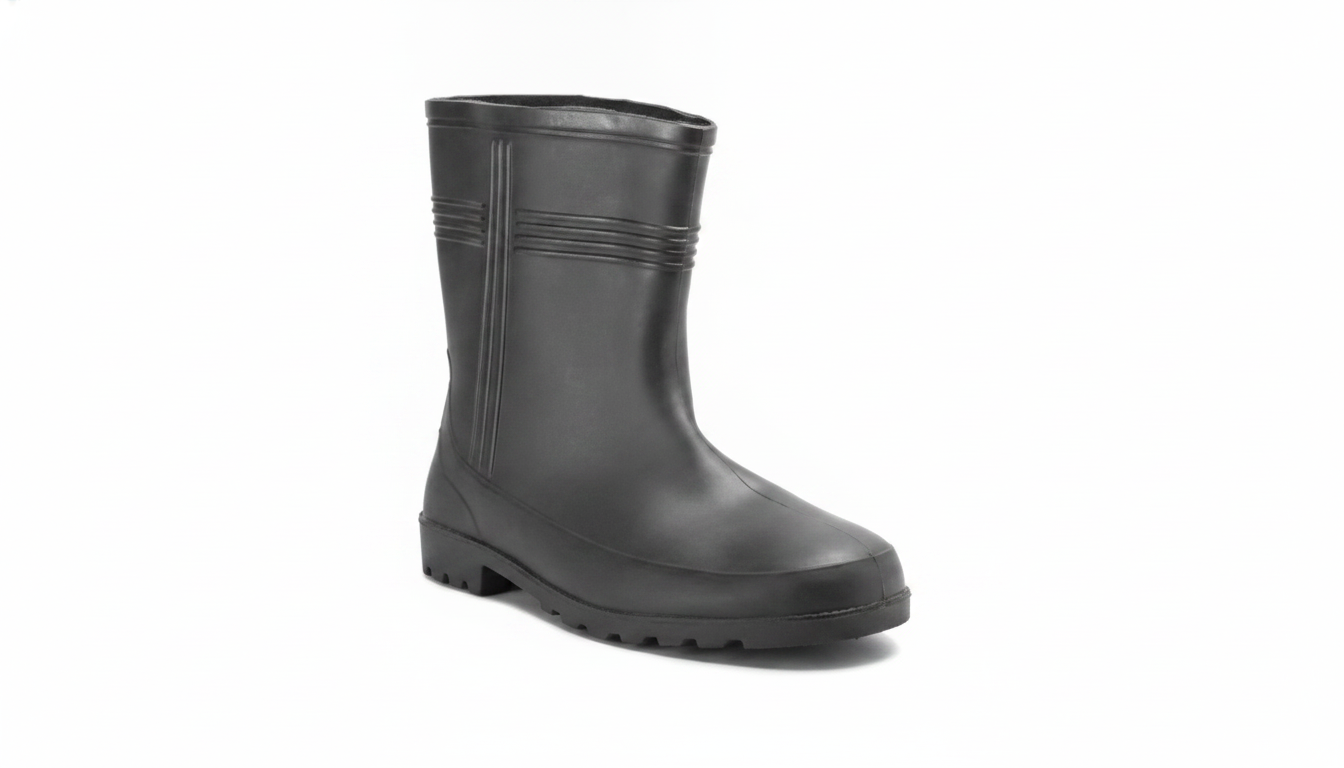
Should your team wear high-ankle or low-cut safety shoes? On flat indoor floors it barely matters — but on rough ground, scaffolding or a mine, that extra ankle coverage prevents twists and blocks splashes and debris. Here's when high ankle safety shoes are the right call.
What the extra height buys you
- Ankle support — reduces rolled/twisted ankles on uneven ground.
- Protection — covers the ankle bone from knocks, sparks and splashes.
- Debris & splash guard — keeps out gravel, hot particles and liquids.
High ankle vs low cut
| Environment | Best choice |
|---|---|
| Construction, mining, uneven ground | High ankle |
| Welding, hot-metal splash | High ankle (protects ankle) |
| Flat indoor / assembly / long walking | Low cut (lighter, cooler) |
Match the toe cap (steel vs composite) and grade (standards guide) to the hazard regardless of height.
Fit note
High-ankle shoes must lace snugly around the ankle to actually support it. Use the size chart; if between sizes, go up half a size for the rigid toe cap.
Buy high ankle safety shoes wholesale
DBFootwear manufactures high-ankle steel- and composite-toe safety shoes to S1P/S3 grades, ISO 9001:2015 certified, supplying construction, mining and industrial buyers factory-direct. Send your quantity and size run for wholesale rates.