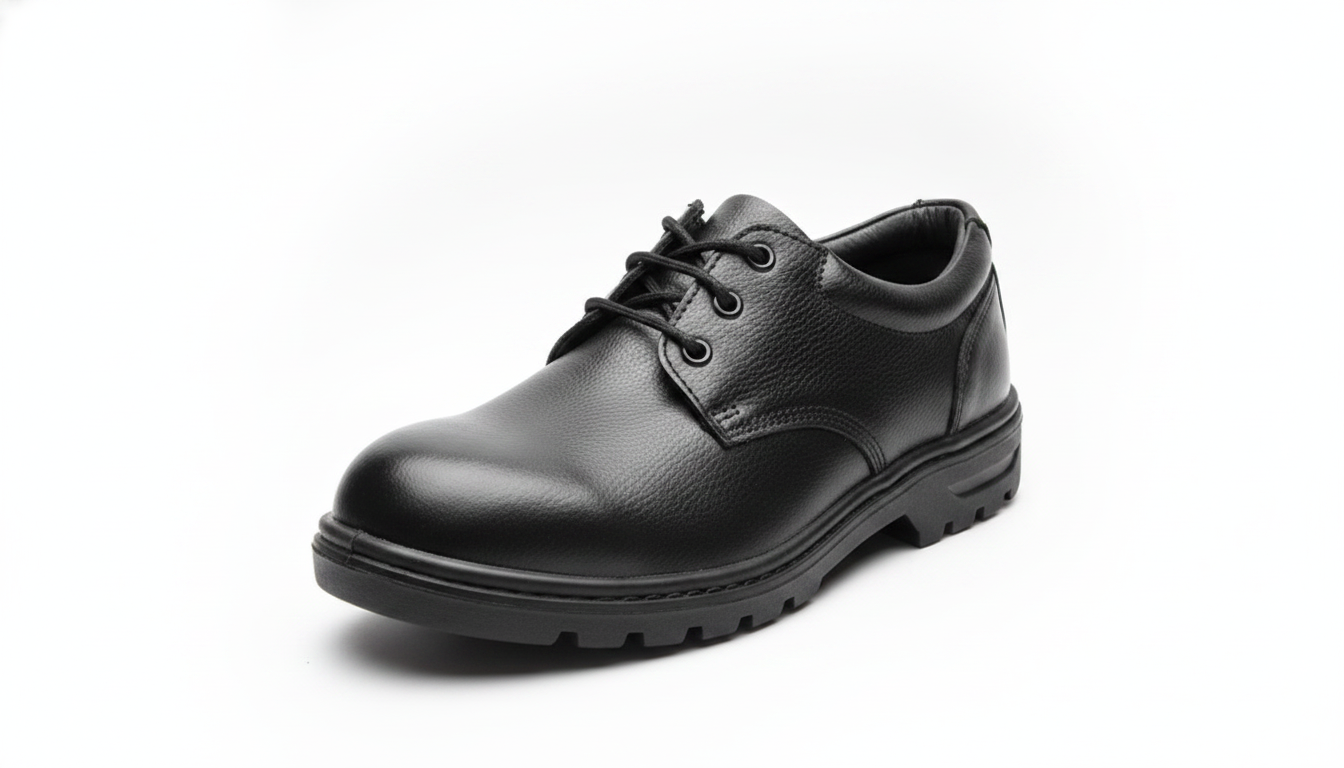
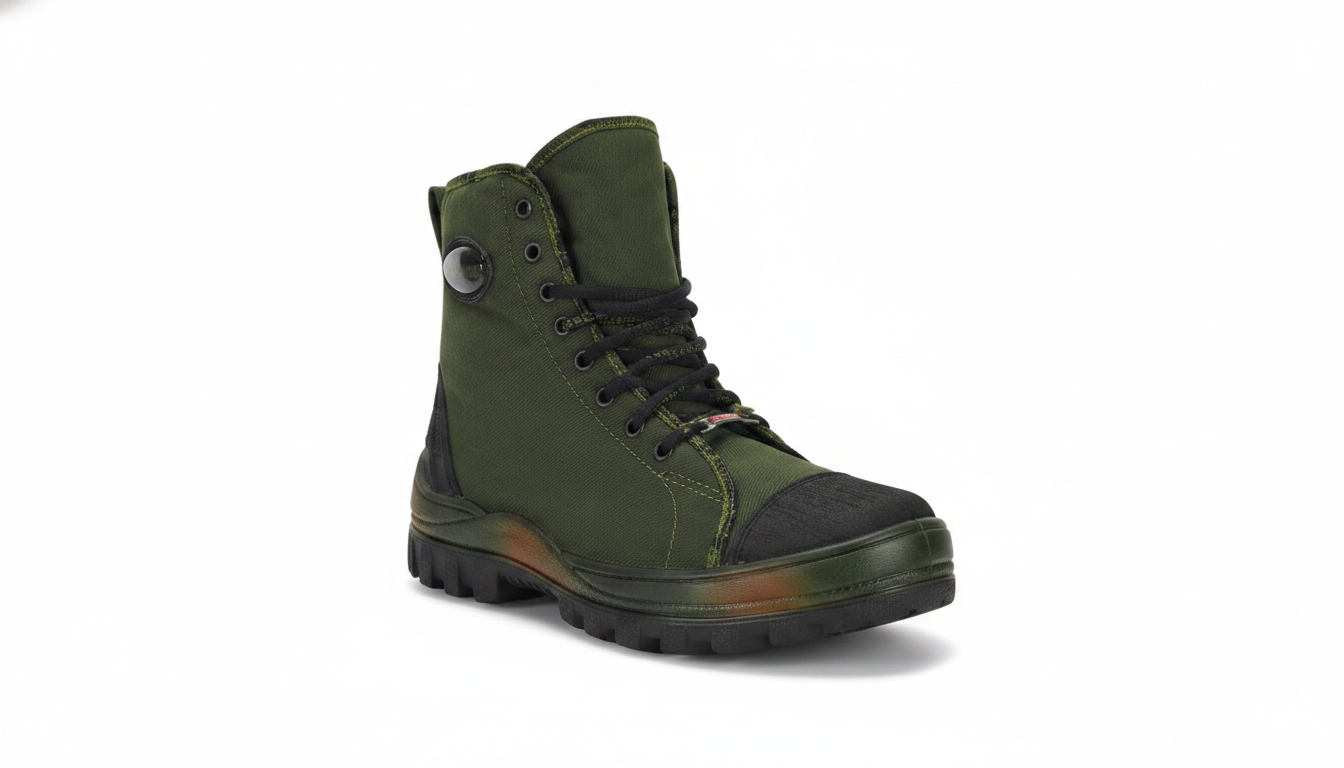
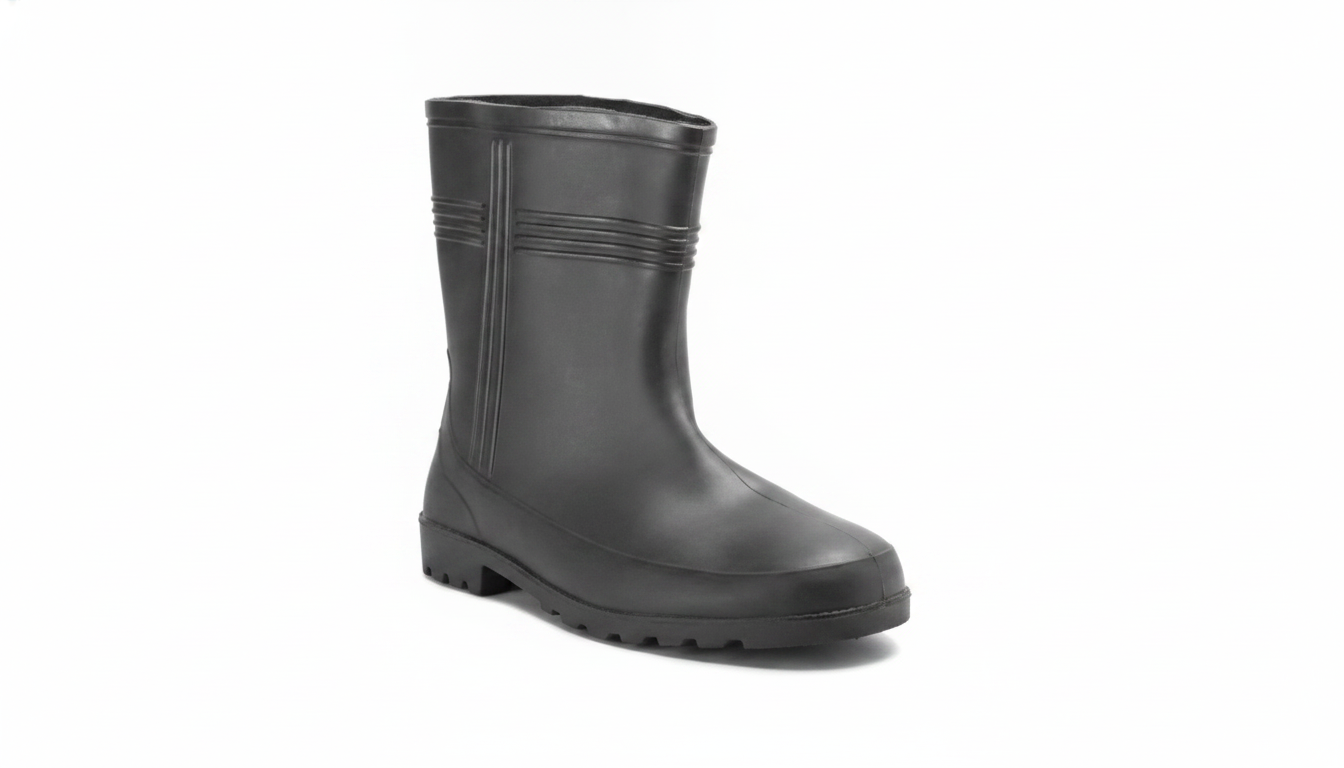
IS 15298 is the Indian standard for safety footwear, published by the Bureau of Indian Standards (BIS). It uses the familiar SB, S1, S1P, S2 and S3 grades to describe how much protection a shoe gives — from a basic 200-joule toe cap up to a fully water-resistant, penetration-proof outdoor boot. Here is exactly what each grade means and how to pick the right one.
What IS 15298 is
IS 15298 is BIS's standard for occupational safety footwear (personal protective equipment). The two parts you will see most are:
- IS 15298 (Part 2): 2011 — general safety footwear (leather and other materials). This part is harmonised with the international standard ISO 20345, which is why Indian safety shoes carry the same SB/S1/S3 grade codes used in Europe.
- IS 15298 (Part 4): 2017 — moulded polymer (PU/PVC) safety footwear.
Footwear certified to IS 15298 carries the ISI mark — the sign that a BIS-licensed lab has verified it against the standard.
The safety grades explained
Every grade starts from the basic requirement (SB) and adds protection on top:
| Grade | What it adds | Best for |
|---|---|---|
| SB | Basic: 200 J impact toe cap + 15 kN compression resistance | Minimum toe protection |
| S1 | SB + closed heel, antistatic, energy-absorbing heel, oil-resistant outsole | Dry indoor industry |
| S1P | S1 + penetration-resistant midsole (steel or composite plate) | Sites with sharp underfoot hazards, dry |
| S2 | S1 + water penetration and absorption resistance on the upper | Damp environments |
| S3 | S2 + penetration-resistant midsole + cleated (treaded) outsole | Wet, outdoor, construction |
The single most useful thing to remember: the "P" means an anti-penetration midsole (protection against nails and sharp objects underfoot), and S3 is the all-rounder — water-resistant, penetration-proof and treaded.
The 200-joule toe cap
Every grade, even basic SB, requires a toe cap that withstands a 200-joule impact and a 15 kN compression load. That toe cap can be steel (strongest per rupee, heavier) or composite (fibreglass/plastic — lighter, non-metallic, passes metal detectors). Both meet the same protection limit — see our guide on steel toe vs composite toe to choose.
IS 15298 vs EN ISO 20345 — are they the same?
They are closely aligned. EN ISO 20345 is the European/international safety-footwear standard; IS 15298 (Part 2) is harmonised with ISO 20345, so the SB/S1/S1P/S2/S3 classification is effectively the same language. For Indian workplaces and tenders you want the ISI mark to IS 15298; for export you want CE marking to EN ISO 20345. A capable manufacturer can build one shoe to satisfy both.
How to specify safety shoes
- Pick the grade for the hazard — dry indoor factory (S1/S1P), wet or outdoor site (S3).
- Choose toe material — steel for heavy impact value, composite for weight, electrical work and metal-detector areas.
- Match the sole — PU dual-density for comfort, PU+rubber or nitrile for heat and oil.
- Confirm the mark — ISI (IS 15298) for India, CE (EN ISO 20345) for export.
Read our fuller safety shoe standards guide and how to choose safety shoes.
DBFootwear — safety footwear manufacturer, Agra
DBFootwear manufactures steel-toe and composite-toe safety shoes to IS 15298 grades including S1P and S3, from our ISO 9001:2015 certified factory in Agra. We control the full build in-house — leather cutting to sole moulding — and supply factory-direct wholesale and bulk from 12 pairs, with mixed size runs. Export models can also be built to CE / EN ISO 20345.
Browse the safety shoes range or ask about bulk and private-label manufacturing.
Standard references: IS 15298 (Part 2): 2011 (full text) and the BIS Product Manual for IS 15298 Part 2. Always confirm the current grade requirements against the live standard or tender.