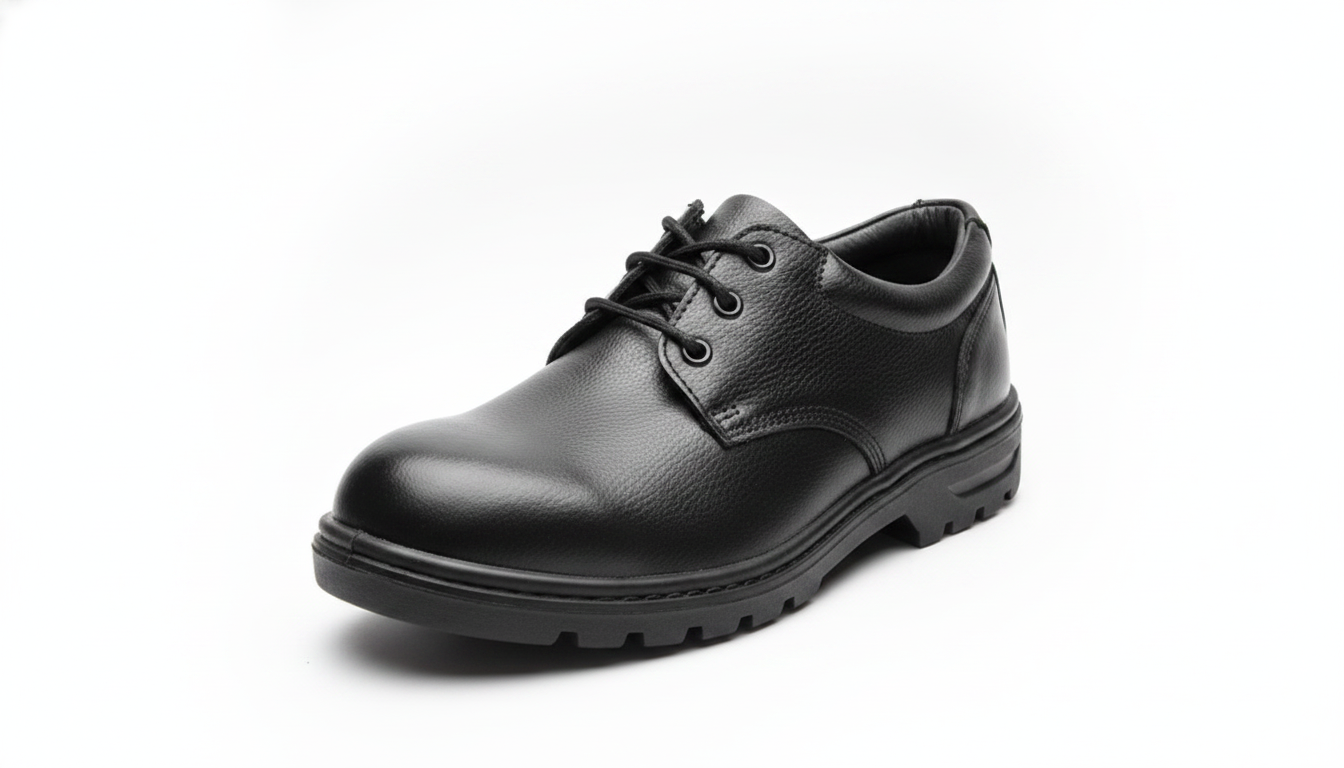
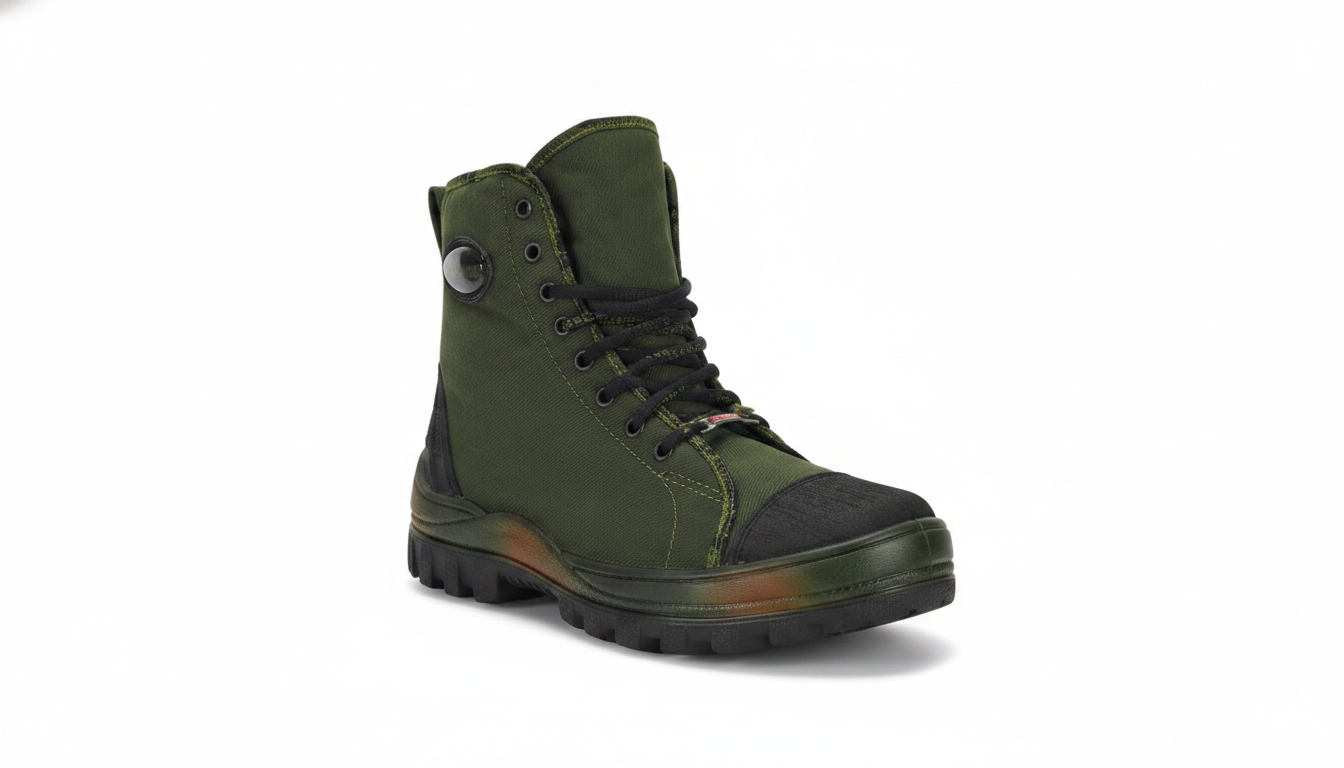
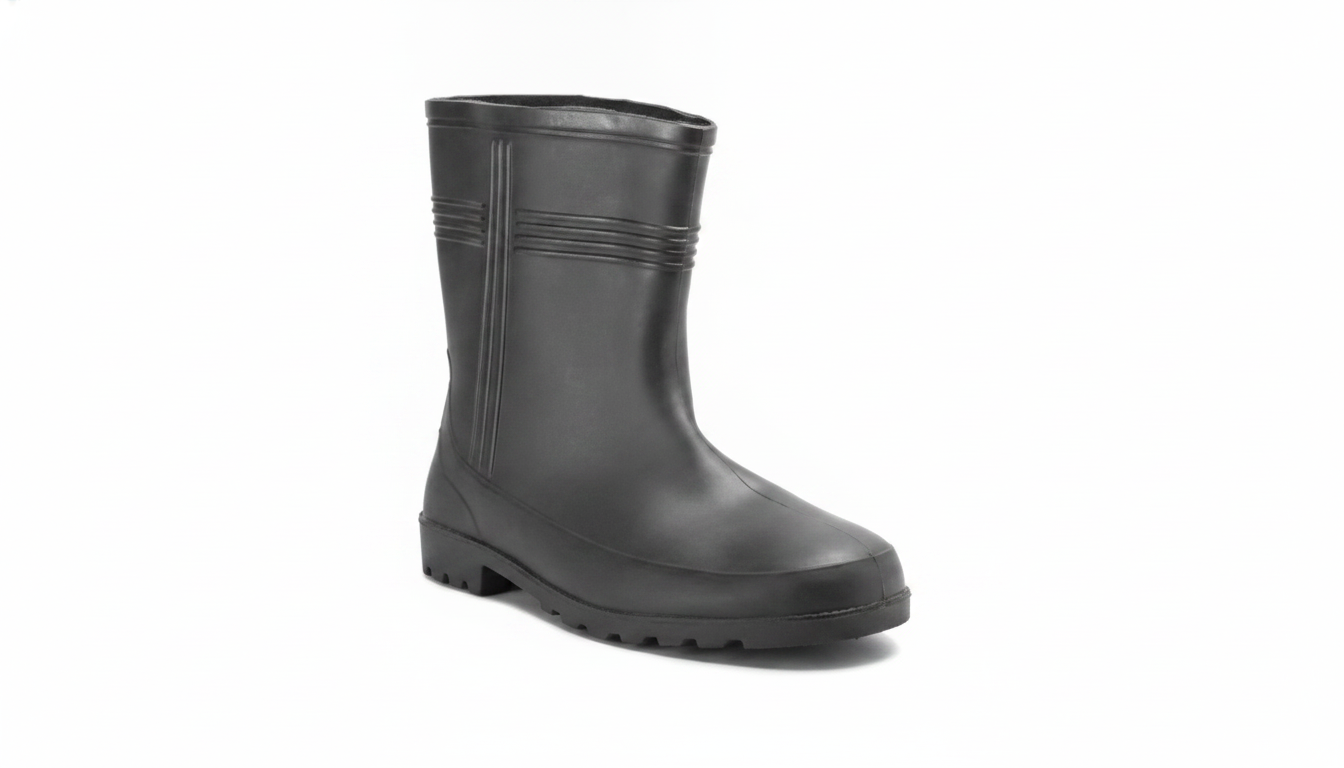
Choosing the right safety shoe means matching four things to your workplace: the toe cap, the sole, the safety grade, and comfort. Get these right and you protect workers while keeping them productive all shift.
1. Pick the toe cap
Choose steel toe for maximum protection and value in heavy industry, or composite toe (lighter, non-metallic) for electrical work, airports and cold storage. See steel vs composite.
2. Match the safety grade to your hazard
- S1 — dry indoor.
- S1P — adds anti-penetration for nails/sharp debris.
- S3 — water-resistant + cleated sole for wet and outdoor sites.
Full detail in our safety shoe standards & grades guide.
3. Choose the sole
PU or PU+Rubber for light, oil- and slip-resistant wear; nitrile rubber for heat. Check for an SRC slip rating.
4. Don't ignore comfort
Anti-penetration midsoles, cushioned PU footbeds and breathable linings reduce fatigue — workers actually wear comfortable shoes, which improves compliance.
Bulk safety-shoe supply
DBFootwear is an ISO 9001:2015 certified manufacturer of safety shoes in Agra for industry, PSU and corporate procurement, with mixed size runs and GST invoicing. See the range or enquire.