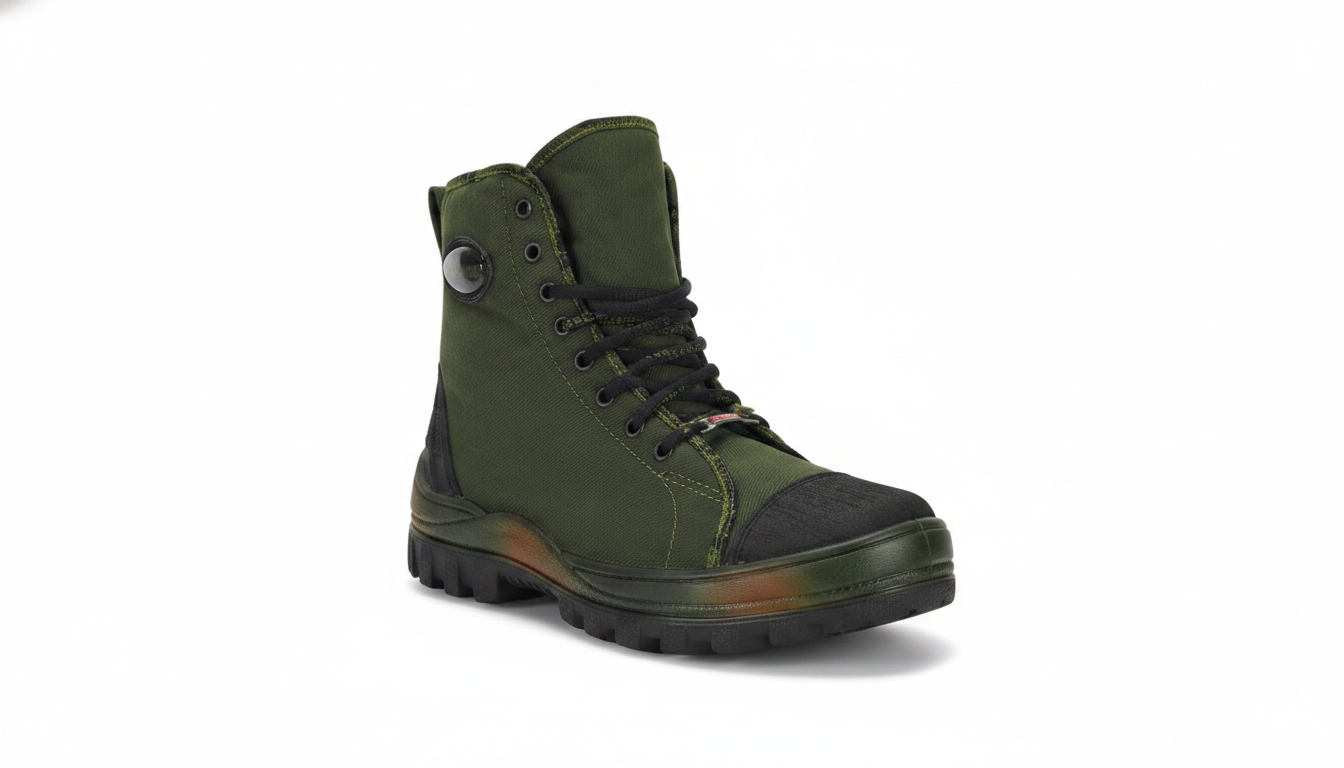
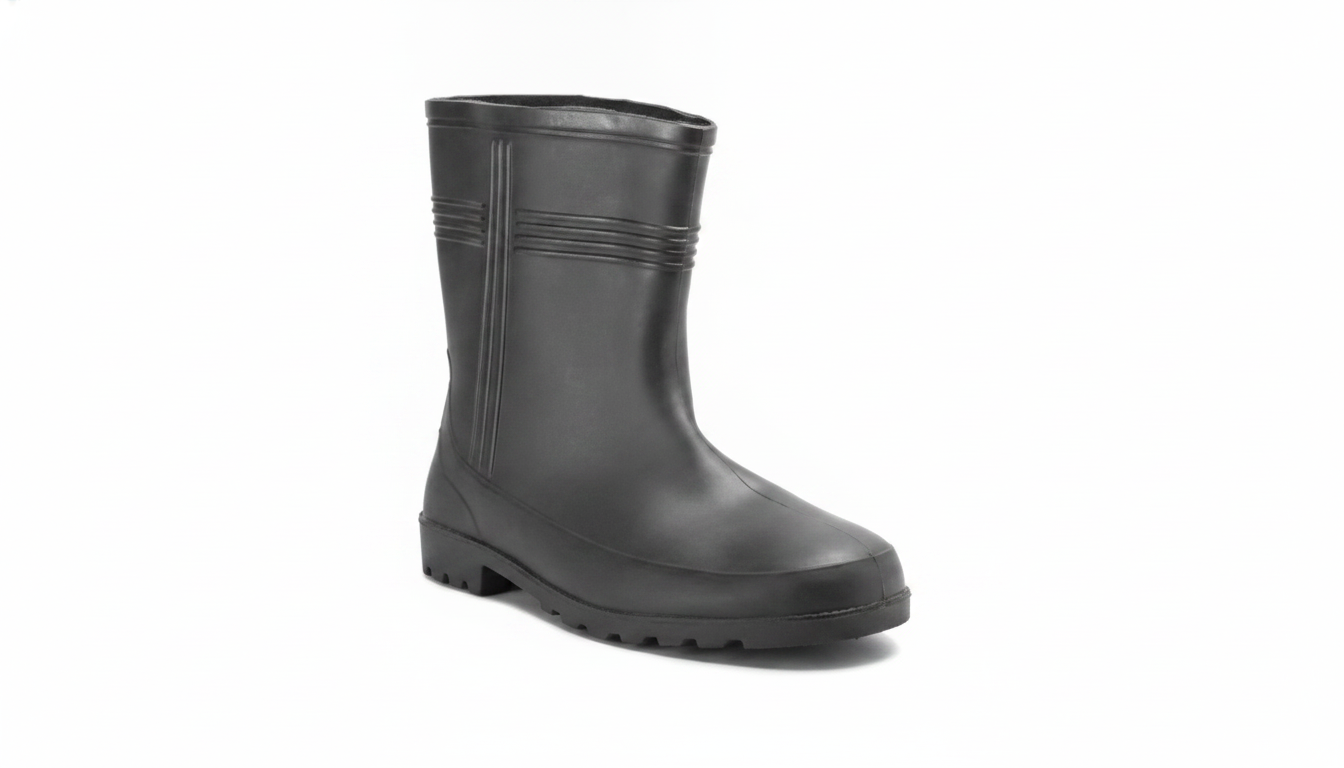
When a site has standing water, slurry, chemicals or constant wash-down, a safety shoe isn't enough — you need a safety gumboot. Here's when to specify moulded rubber/PVC boots over shoes, and what protection to look for.
Gumboots vs safety shoes
| Condition | Best choice |
|---|---|
| Standing water, slurry, mud | Safety gumboot |
| Chemicals, wash-down, food processing | Rubber/PVC gumboot |
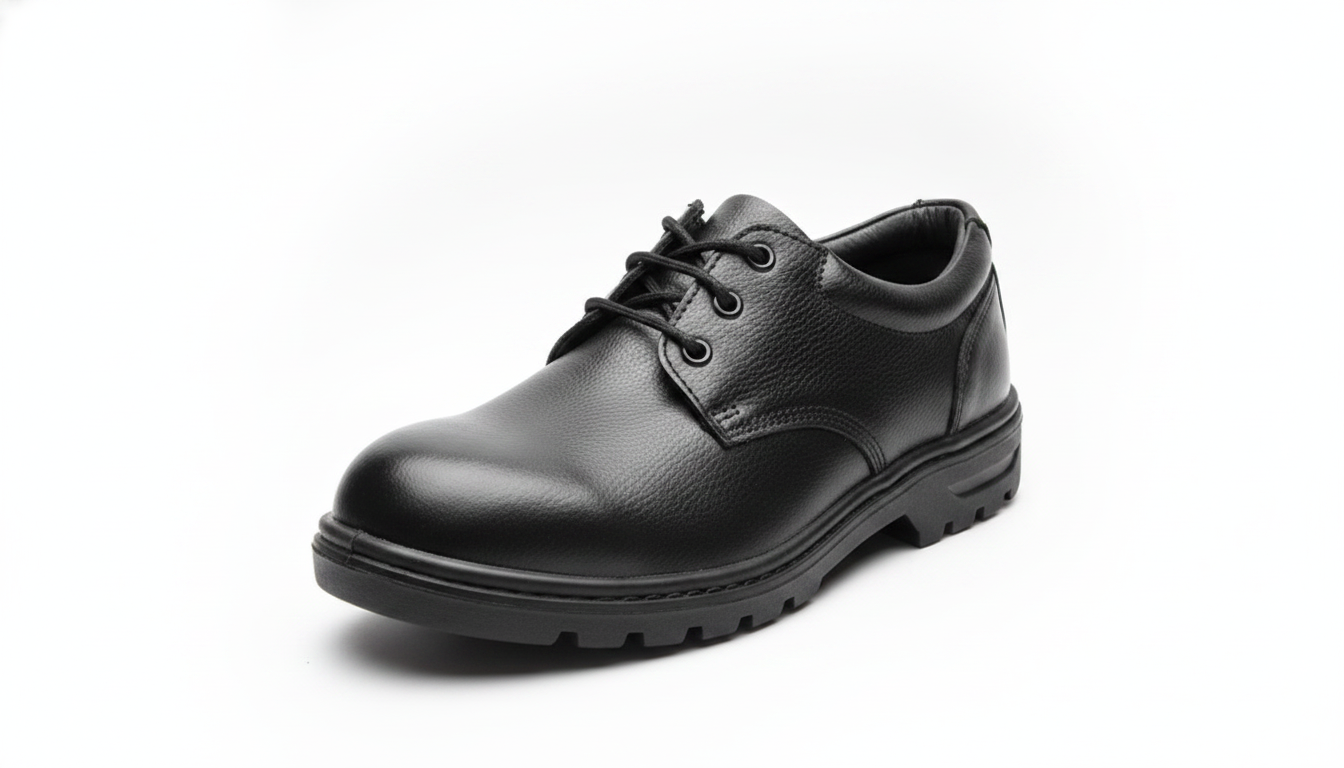
| Damp/wet but not submerged | S3 waterproof safety shoe |
| Dry work | Standard safety shoe |
Gumboots trade some comfort and breathability for total waterproofing — the right trade when your feet would otherwise be soaked all day.
What to look for
- Full moulded rubber or PVC — seamless, so no water ingress.
- Steel toe option — impact protection where pots, pallets or tools are handled (steel vs composite).
- Cleated, slip-resistant sole — grip on wet, muddy ground.
- Chemical resistance — for handling and processing environments.
Who uses them
Construction and infrastructure, food and dairy processing, agriculture and fisheries, chemical plants, and municipal/sanitation work.
Buy safety gumboots wholesale
DBFootwear supplies steel-toe and plain rubber/PVC safety gumboots alongside our full safety footwear range, factory-direct to construction, food-processing, agriculture and municipal buyers. Share your quantity and toe-cap requirement via the wholesale enquiry.