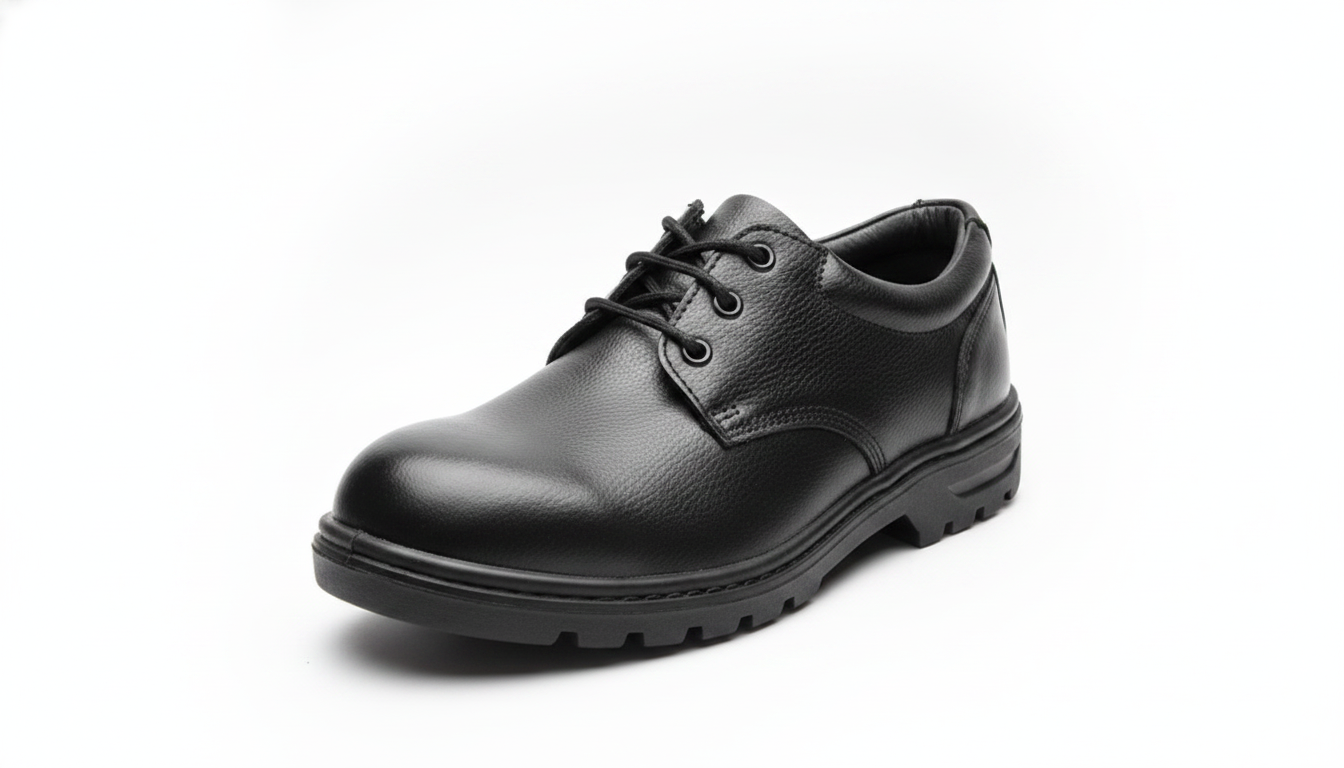
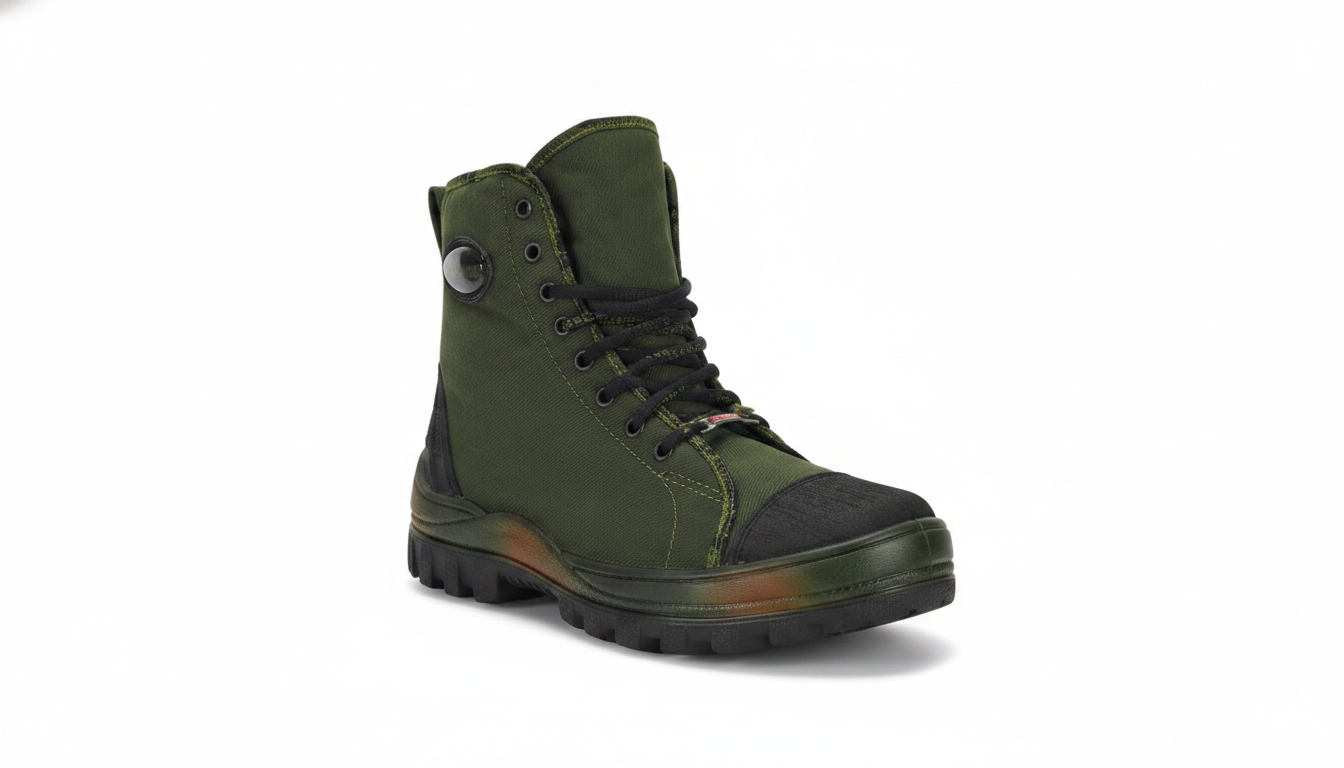
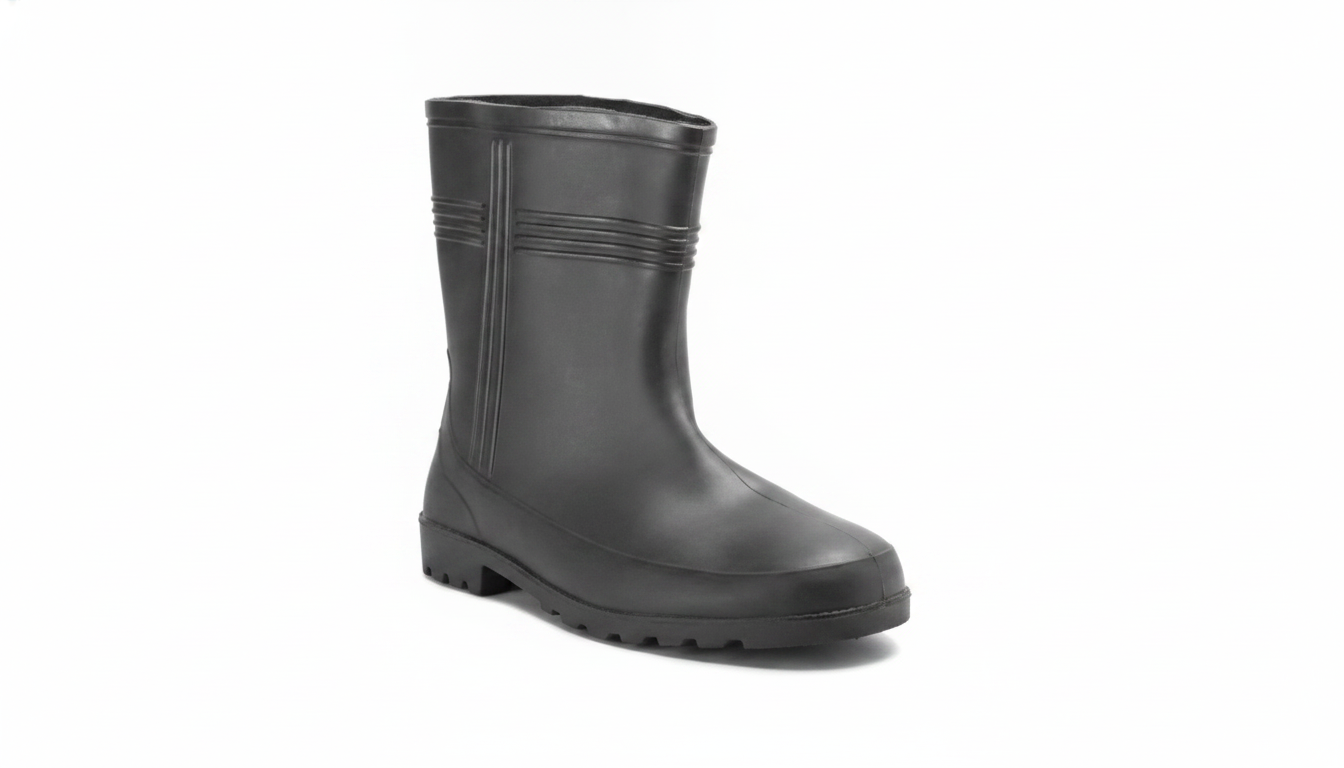
Steel toe caps offer maximum impact protection at the lowest cost, while composite toe caps are lighter, non-metallic and better for electrical and temperature-sensitive environments. Both meet the same 200-joule impact grade — the right choice depends on your workplace hazards.
Steel toe vs composite toe at a glance
| Feature | Steel Toe | Composite Toe |
|---|---|---|
| Impact protection | Excellent | Excellent (certified) |
| Weight | Heavier | ~30% lighter |
| Cost | Lower | Slightly higher |
| Conducts heat/cold | Yes | No |
| Metal detectors | Sets off | Passes through |
| Best for | Heavy industry, construction | Electrical, airport, cold storage |
When to choose steel toe
Steel toe is the workhorse choice — strongest against repeated heavy impact and compression, at the lowest price. Choose it for construction, heavy manufacturing, warehousing and general industrial use where weight and conductivity are not concerns.
When to choose composite toe
Composite caps are made from fibreglass, carbon fibre or hard plastic, making them lighter and non-conductive. Choose composite for electricians and electrical-hazard work, metal-detector areas, airports, and cold or hot environments where steel would transfer temperature.
What to check either way
- Protection grade (S1P or S3) that matches your hazard
- Anti-penetration midsole for sites with nails/sharp debris
- Slip-resistant sole (SRC) and, where needed, electrical-hazard rating
DBFootwear makes both
As an ISO 9001:2015 certified manufacturer, we make steel-toe and composite-toe safety shoes in Agra, in bulk for industry, PSU and corporate procurement. See the range on our safety shoes page or request rates.