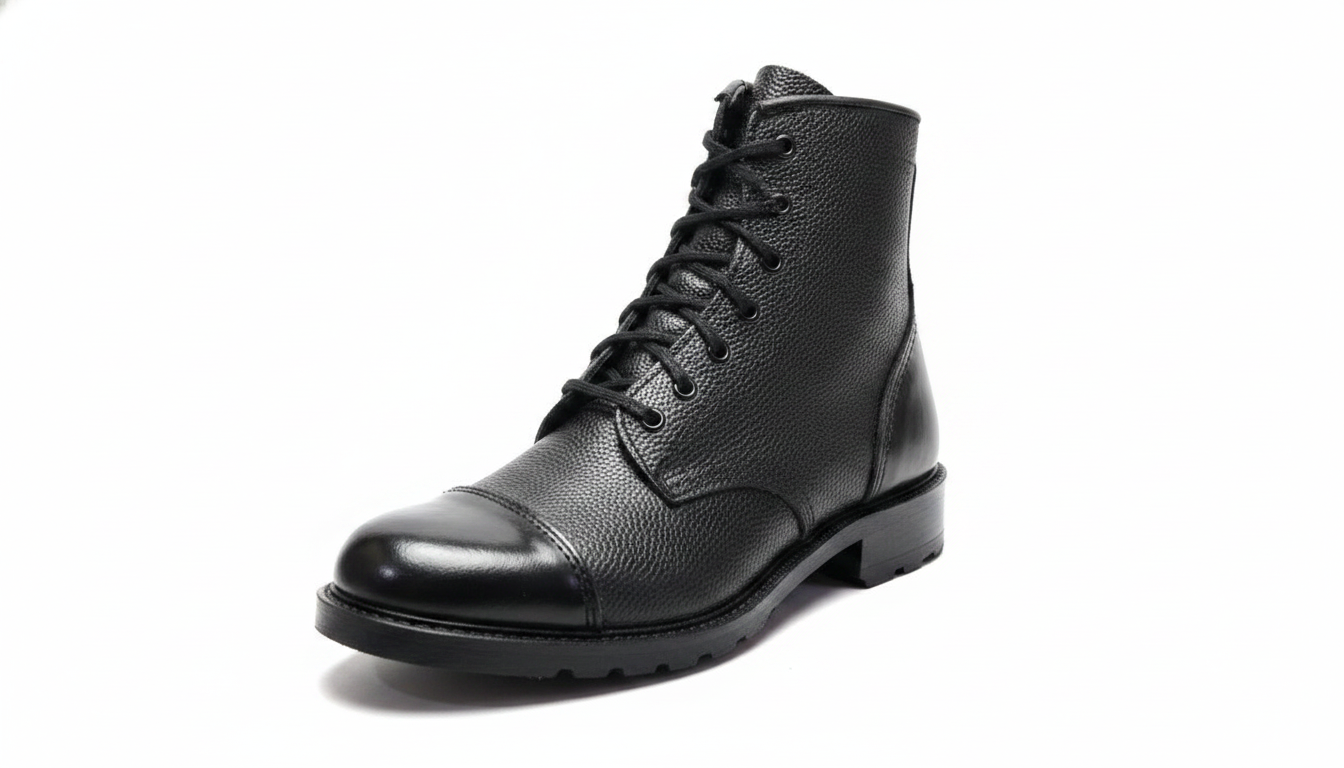
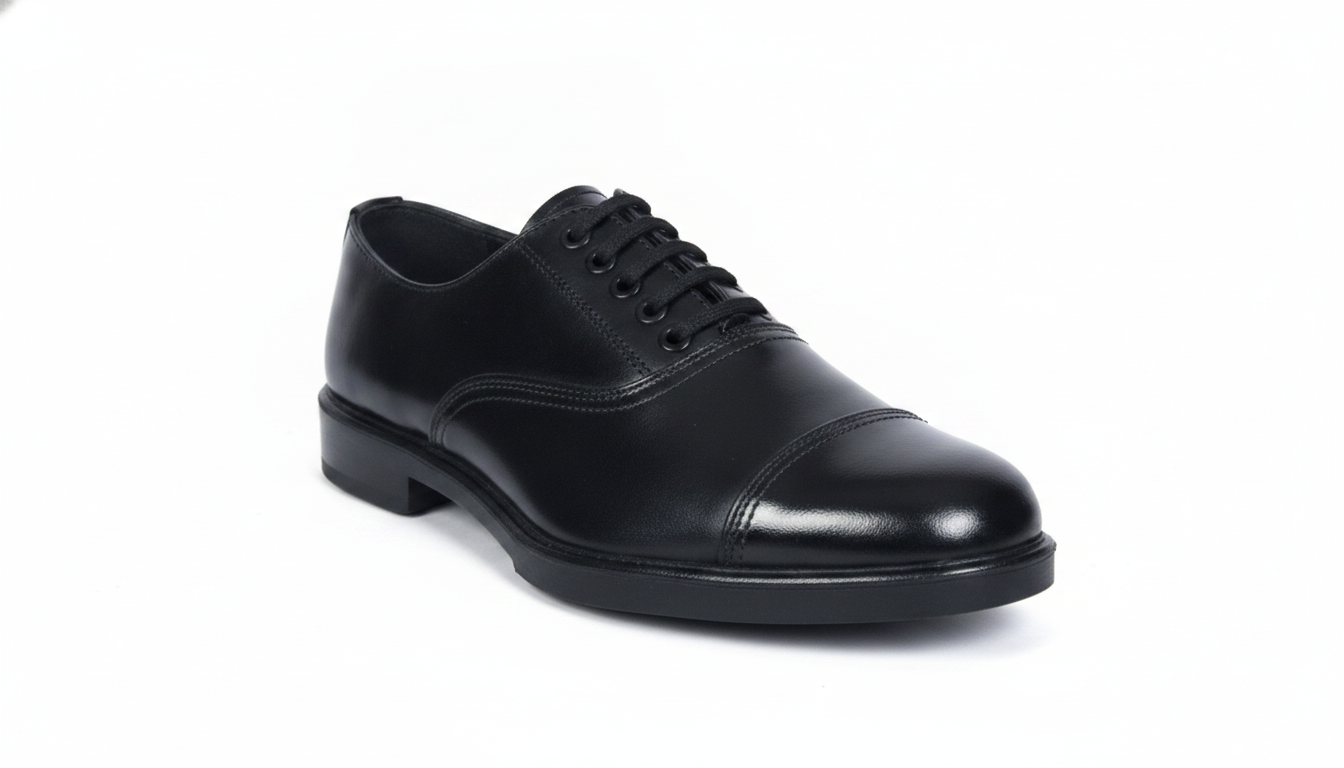
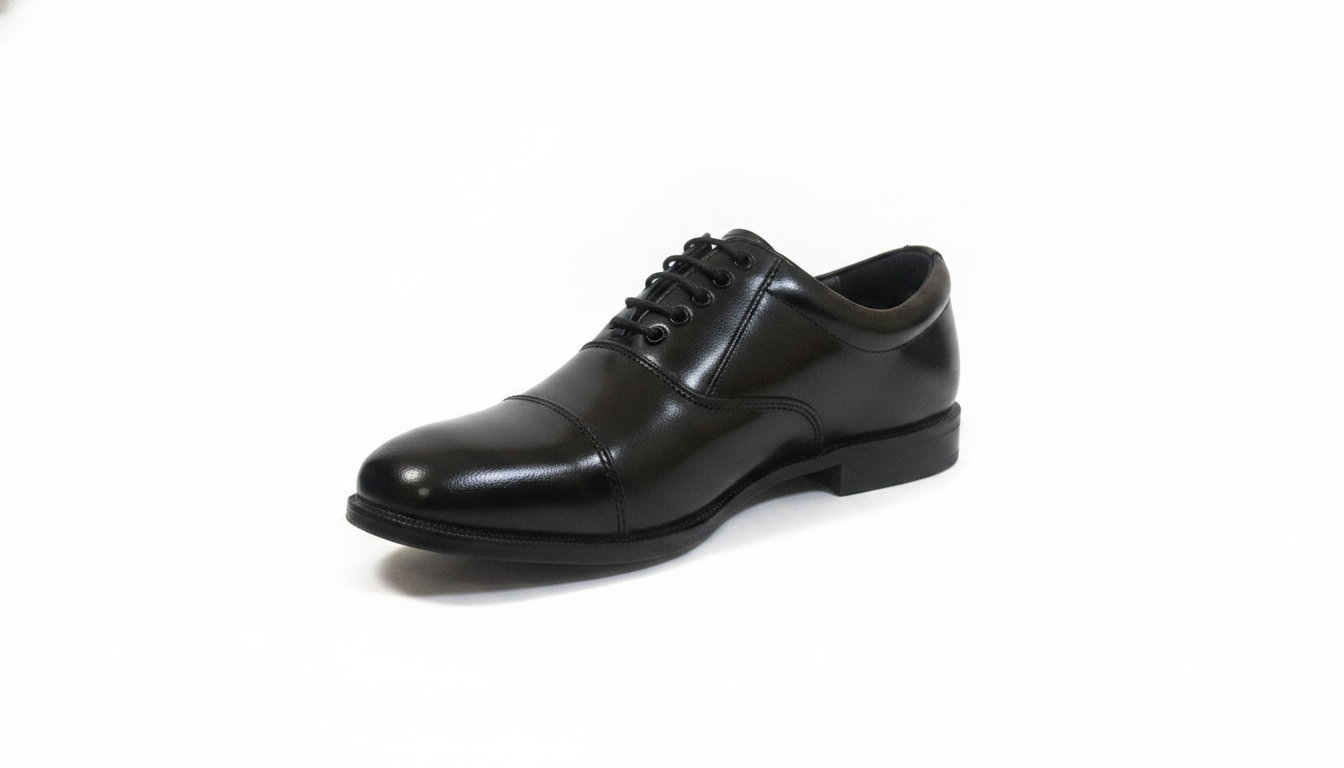
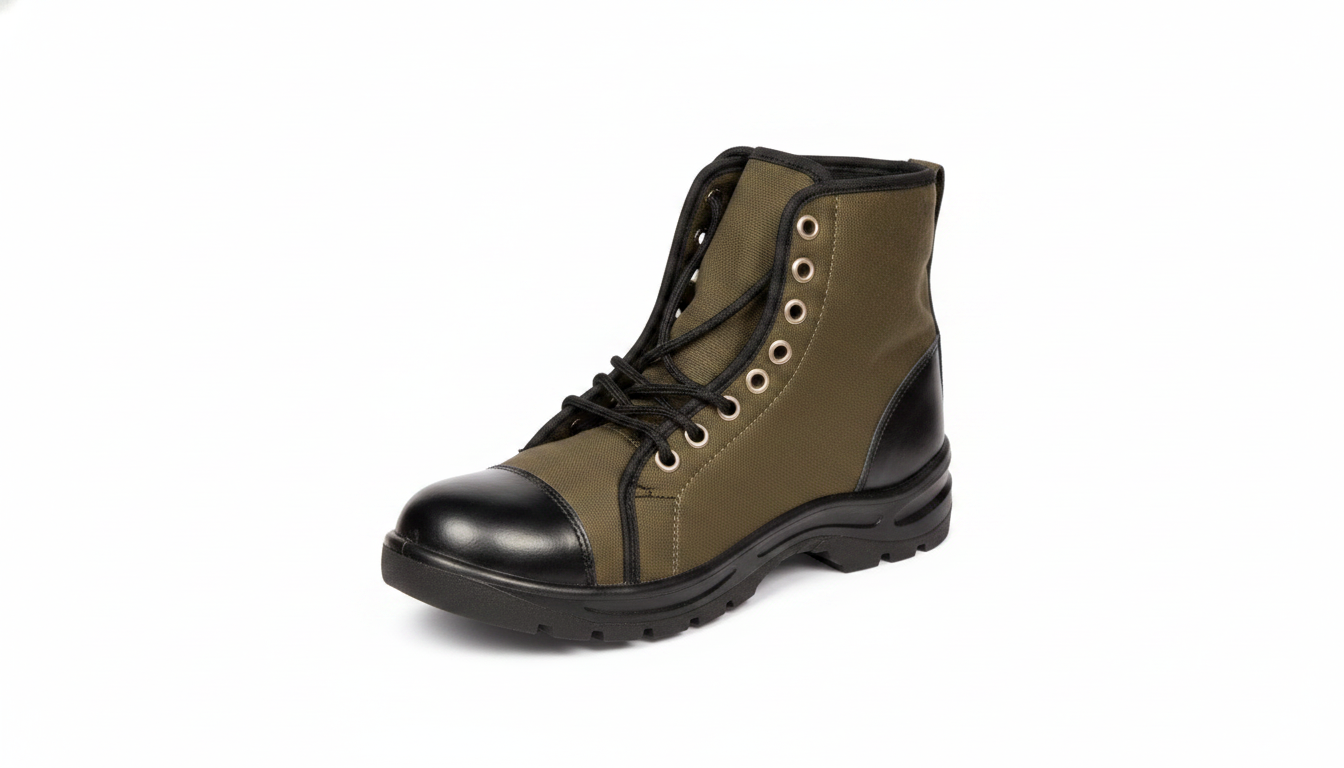
The outsole determines a shoe's grip, weight, durability and cost. The five materials used in most footwear are PU, PVC, rubber, TPU and EVA — each with clear trade-offs. Choosing the right one comes down to how and where the shoe is worn.
Sole materials at a glance
| Material | Grip | Durability | Weight | Best for |
|---|---|---|---|---|
| PU (polyurethane) | Good | Good | Light | Safety, formal, everyday |
| PVC | Fair | Fair | Heavy | Economy footwear |
| Rubber | Excellent | Excellent | Heavy | Boots, outdoor, force |
| TPU | Excellent | Excellent | Medium | Sports, premium |
| EVA | Fair | Low | Very light | Sports midsoles, sandals |
How to choose
- Comfort + light weight: PU or EVA.
- Maximum grip and life: rubber or TPU.
- Lowest cost: PVC.
- Best of both: PU + Rubber dual-density — a cushioned PU midsole with a hard rubber outsole.
Sole construction matters too
Even the best material depends on how it is attached: cemented (glued), direct-injection (moulded onto the upper for a strong waterproof bond), or Goodyear welt (stitched, resoleable). We cover this in how leather footwear is made.
Made to spec in Agra
DBFootwear moulds PU, PVC, rubber and EVA soles in-house and builds dual-density options for safety and force footwear. Enquire for manufacturing.