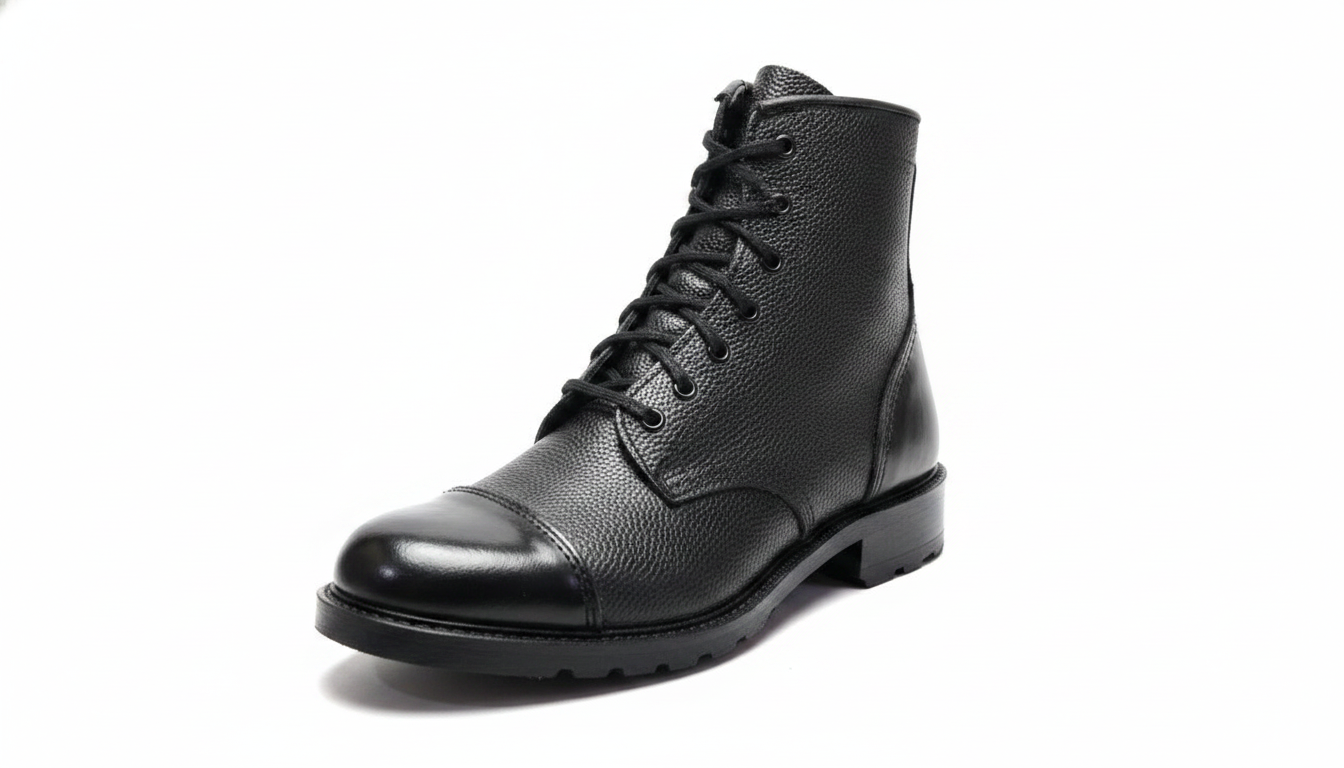
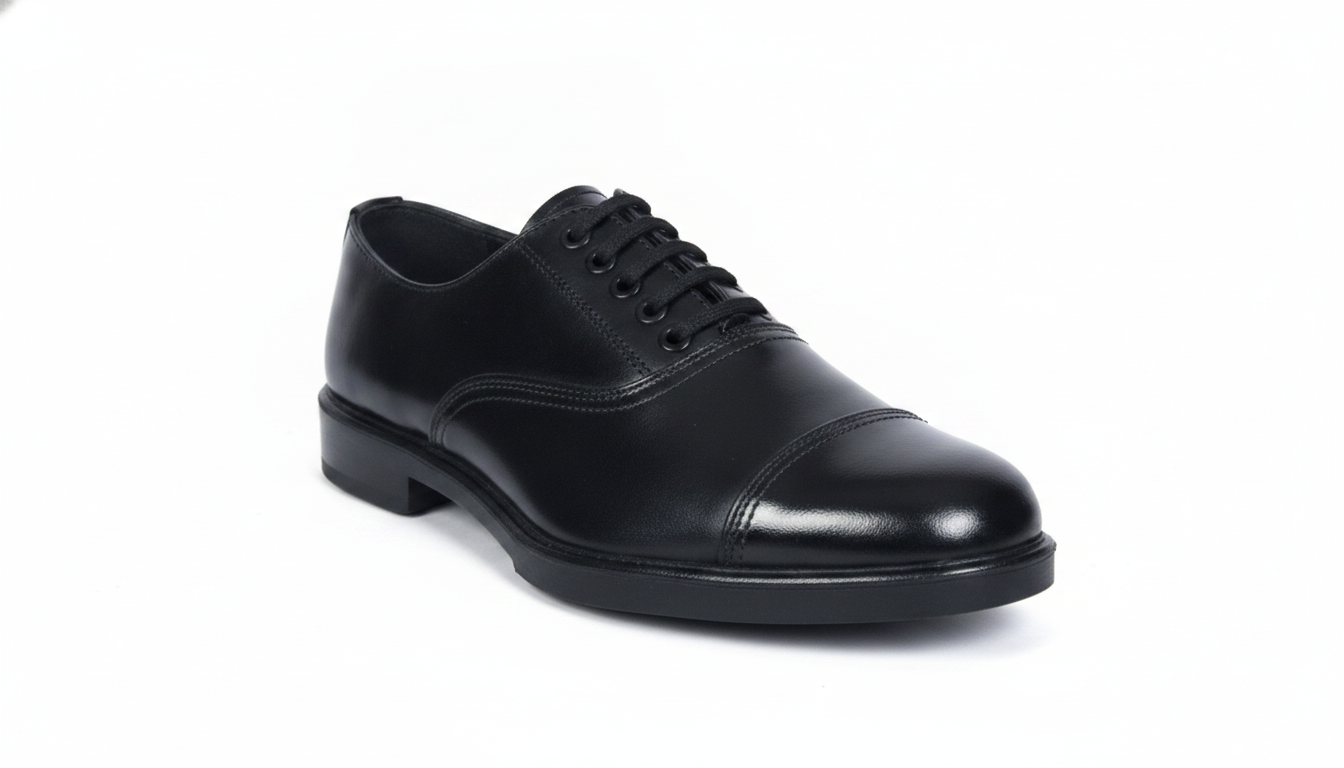
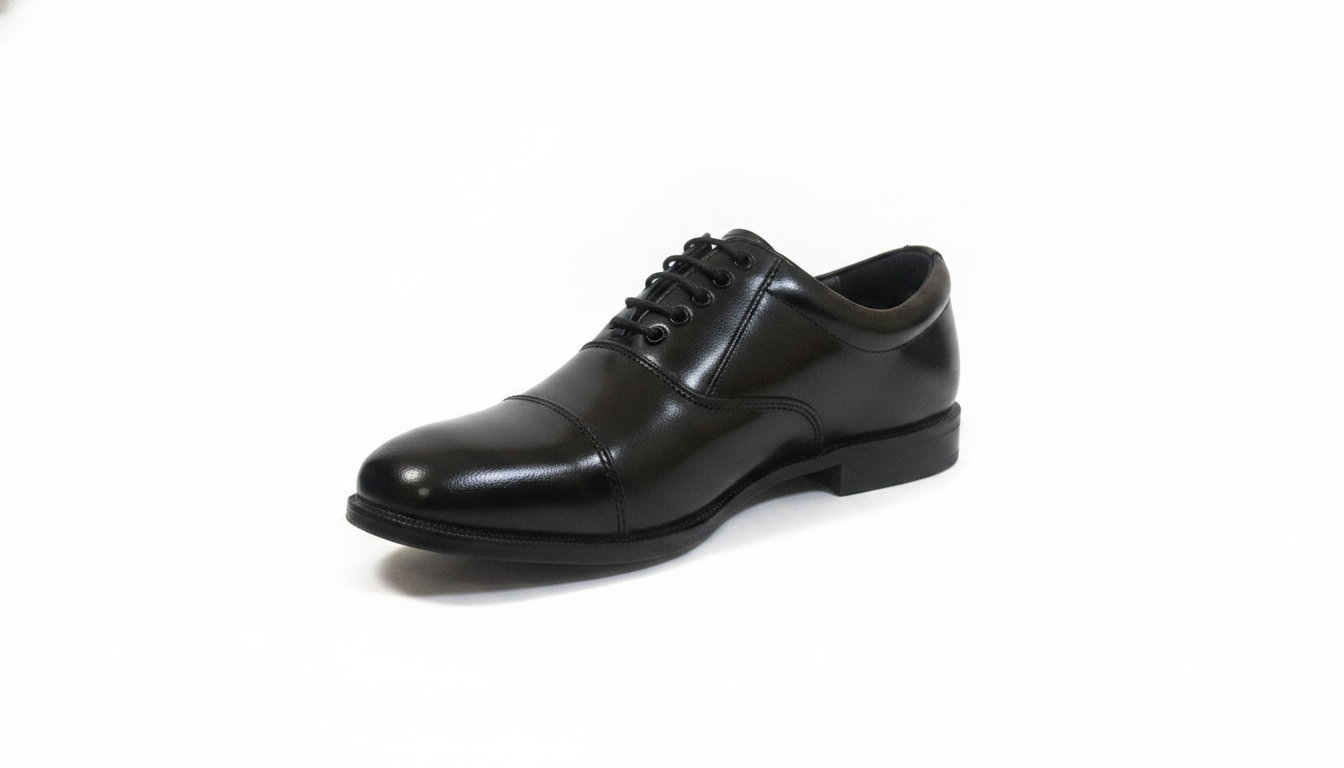
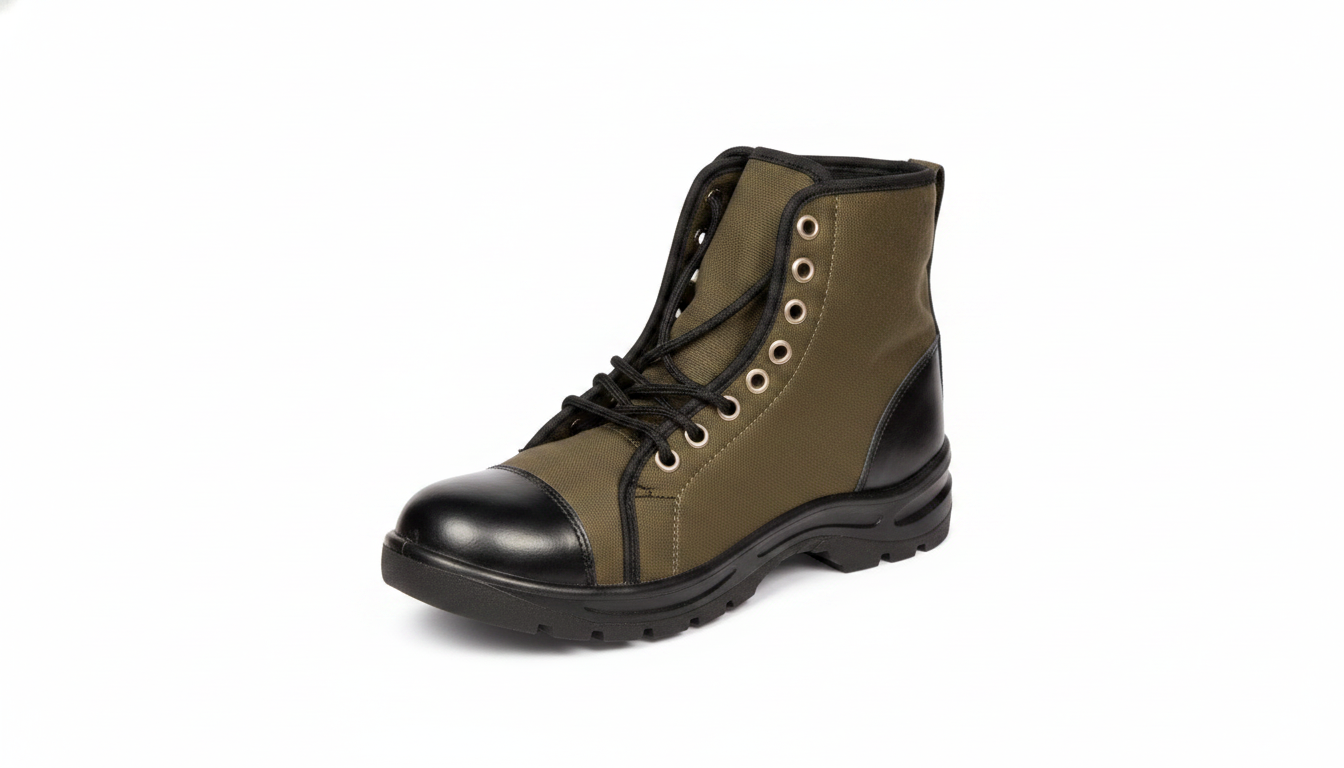
Leather footwear is made in five main stages: cutting the upper, stitching it together, lasting it over a foot-shaped mould, attaching the sole, and finishing. Each stage blends skilled handwork with machinery, which is why clusters like Agra produce consistent, durable shoes at scale.
The five stages of shoe production
1. Cutting
The upper leather and lining are cut into pattern pieces — vamp, quarter and tongue — either by hand or die-cutting press.
2. Closing (stitching)
The pieces are stitched into a complete upper, with eyelets, collar padding and reinforcements added.
3. Lasting
The upper is pulled and shaped over a "last" — a foot-shaped form — which sets the shoe's 3D shape and fit.
4. Bottoming (sole attach)
The outsole is attached by cementing, direct-injection (DIP) or Goodyear welt. A midsole, shank and insole are fitted for support and comfort.
5. Finishing
The shoe is cleaned, polished, quality-checked, laced and packed.
Materials commonly used
- Upper: full-grain or buff leather, nubuck, synthetic/PU; mesh for sports.
- Sole: PU, PVC, rubber, TPU or EVA — see our sole materials guide.
- Safety shoes add a steel or composite toe cap and often an anti-penetration midsole.
Construction types
- Cemented — glued sole, economical and flexible.
- Direct-injection (DIP) — sole moulded onto the upper; strong and waterproof.
- Goodyear welt — stitched welt; most durable and resoleable.
Made in Agra since 1995
DBFootwear runs all five stages in-house. Explore our safety, civil and force ranges, or enquire for manufacturing.